Helen Martin had just booked a dream honeymoon for clients of her travel agency: Singapore for several nights and on to Langkawi in Malaysia, scheduled for early 2027. Then the Iran war began.
As soaring jet fuel costs pushed up flight prices across the industry, the itinerary was scaled back. Now, the happy couple's plans are on hold.
"They want to wait and see if the prices come down," says Martin, a UK-based agent at Travel Counsellors.

From once-in-a-lifetime luxury trips to cheap European weekend breaks, rising prices threaten to take the wind out of a global travel market that has been booming.
"We hear this a lot," Martin adds. "People find they either have to downgrade their expectations or upgrade their budget."
Cheap flights could become a thing of the past
Over decades, steadily lower comparative costs have seen air travel move from the preserve of the wealthiest to something so common that most households in the west now expect to make at least one holiday flight a year.
Ryanair, Europe's king of low-cost air travel, boasts that you can fly across the continent for less than the price of parking your car at one of the regional airports it serves.
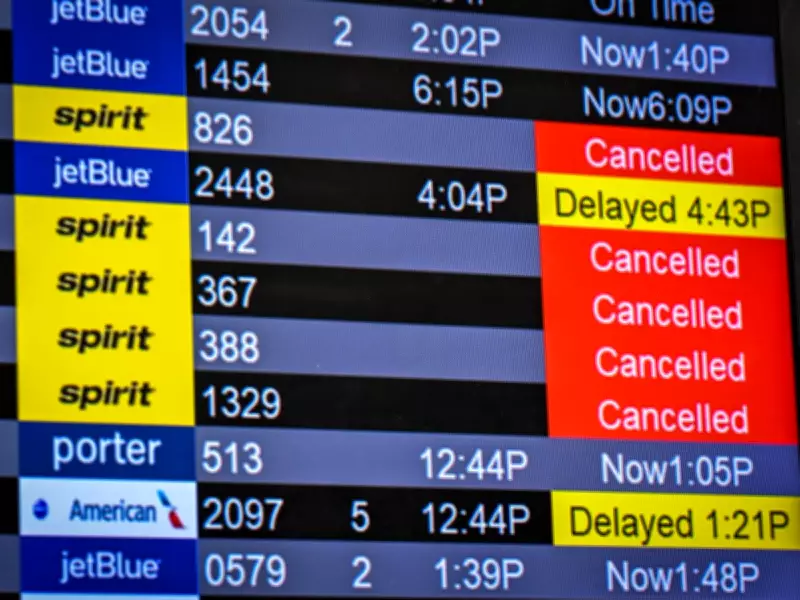
In response to the Iran conflict, the airline industry has cancelled thousands of flights that would have lost money when forced to use more expensive fuel. Early this month, Spirit Airlines went bust in the United States, the first in what executives expect to be a wave of failures around the globe.
"The structural changes we are seeing ... will expand," Lufthansa AG chief executive Carsten Spohr said this month. "The stronger will become stronger, and the weaker ones will become weaker."
Tony Fernandes, co-founder and chief executive of AirAsia, a budget airline based in Malaysia, agrees: "I get the feeling that there could be more mergers in store for even the bigger airlines," he tells the Financial Times.
Industry consolidation and rising fares
The winnowing of the airline industry, notorious for its low margins and cut-throat price battles, is a semi-regular occurrence. Most years see dozens of smaller carriers cease operations in bankruptcies that go largely unremarked upon outside of passengers or staff directly affected.
But every few years, a crisis sweeps through the sector like a wrecking ball, bringing with it a step change in consolidation.
"The airline industry has lots of problems very regularly," says Andrew Lobbenberg, an airlines analyst for Barclays. "We have seen lots of crises — 9/11, COVID. This is the next COVID." He predicts bankruptcies, mergers and more rapid "retirement of old aircraft".
All this will make the industry stronger — but weaken the competitive forces that keep fares affordable, raising the possibility that an era of cheap airline travel may be drawing towards an end.