Canada's Aviation Sector Confronts Mounting Air Traffic Controller Crisis
Canada's aviation industry is grappling with a severe and escalating shortage of air traffic controllers, as the rate of departures from this critical profession now exceeds the pace of new hires, according to a leading aviation expert. This troubling trend poses significant risks to flight safety, operational efficiency, and the nation's broader transportation infrastructure, particularly as air travel volumes continue to rebound and expand post-pandemic.
Attrition Outstrips Recruitment Efforts
The imbalance between controller attrition and recruitment has become a pressing concern for aviation authorities and stakeholders across the country. Data indicates that more controllers are leaving their positions due to retirement, burnout, or career changes than are being trained and certified to replace them. This deficit is exacerbated by the lengthy and rigorous training process required for air traffic control, which can take several years to complete, creating a lag in addressing immediate staffing needs.
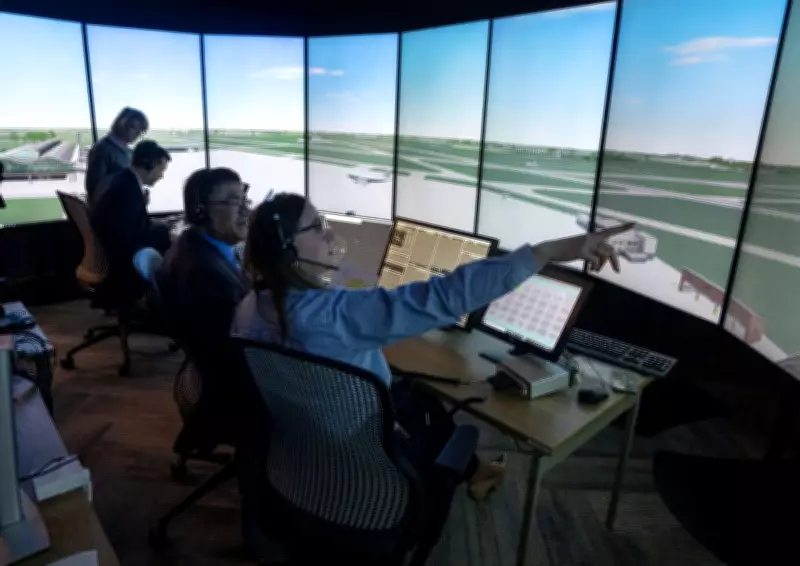
Simulation-based training facilities, such as the CAE training center in Montreal highlighted in recent media demonstrations, play a crucial role in preparing new controllers. However, these efforts are insufficient to counter the rapid loss of experienced personnel. The shortage is not uniform but is particularly acute in certain regions and at busy airports, where controller workloads are already intense.

Implications for Safety and Air Travel
The depletion of air traffic controller ranks raises alarms about potential compromises in aviation safety. Controllers are essential for managing airspace, preventing collisions, and ensuring smooth takeoffs and landings. Understaffing can lead to increased stress, longer shifts, and fatigue among remaining controllers, factors that historically contribute to human error in high-stakes environments.
Moreover, this shortage could result in flight delays, reduced airport capacity, and heightened costs for airlines and passengers. As Canada's population grows and air travel demand surges, the strain on the air traffic control system is expected to intensify, potentially undermining the country's economic connectivity and tourism sector.
Root Causes and Potential Solutions
Several factors drive the controller exodus, including:
- Aging workforce: Many controllers are nearing retirement age, with a wave of departures anticipated over the next decade.
- High-stress environment: The job's demanding nature and shift work contribute to burnout and career attrition.
- Competitive job market: Aviation professionals may seek opportunities in other sectors or countries with better compensation or working conditions.
Addressing this crisis requires a multifaceted approach. Aviation experts advocate for enhanced recruitment campaigns, accelerated training programs, and improved retention strategies, such as better work-life balance, mental health support, and competitive salaries. Collaboration between government agencies, educational institutions, and industry partners is crucial to develop a sustainable pipeline of new controllers.
Without prompt and effective intervention, Canada's air traffic control shortage could escalate into a full-blown crisis, jeopardizing the safety and reliability of the nation's air transportation network. Stakeholders urge policymakers and aviation leaders to prioritize this issue to safeguard Canada's skies for the future.