Canada Engages in Diplomatic Efforts to Resolve Aviation Certification Dispute
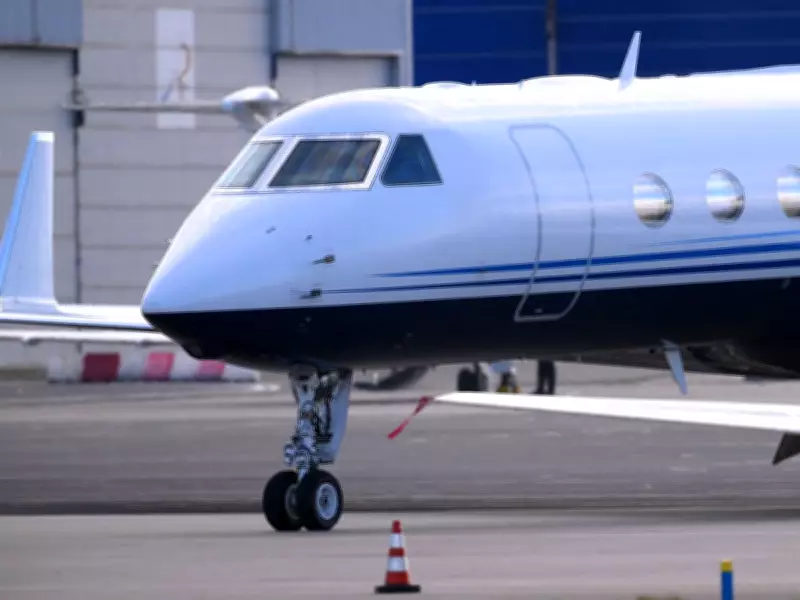
The Canadian government has confirmed it is actively working with multiple stakeholders to address certification concerns surrounding certain Gulfstream private jet models. This development comes directly in response to a recent complaint and tariff threat issued by United States President Donald Trump.
Multi-Party Collaboration Underway
Transport Canada officials have initiated discussions with the U.S. Federal Aviation Administration, General Dynamics Corp. (the parent company of Gulfstream), and Canadian aerospace manufacturer Bombardier Inc. The collaborative effort aims to resolve what the Transport Department describes as "outstanding certification matters" while maintaining crucial market access across the border.
In an official emailed statement, the department emphasized its commitment to finding solutions that "protect safety and regulatory integrity" without compromising the bilateral aviation relationship between Canada and the United States.

Trump's Tariff Threat and Certification Demands
The urgency of these discussions stems from President Trump's recent social media declaration, in which he threatened to impose substantial economic measures against Canadian aircraft manufacturers. Specifically, Trump proposed a 50 per cent tariff on all Canadian aircraft sold in the United States and threatened to decertify all new Canadian-made planes.
These measures, according to Trump's statement, would remain in effect until Canada agreed to certify four specific Gulfstream models: the G500, G600, G700, and G800 jets. The former president accused Canadian authorities of having "wrongfully, illegally, and steadfastly refused" to approve these aircraft for operation.
Ministerial Response and Clarification
Transport Minister Steven MacKinnon addressed the situation during a media briefing in Ottawa, clarifying his department's role in the certification process. "I do not interfere in aircraft certification," MacKinnon stated, while confirming he has maintained communication with the manufacturers involved in the dispute.
The minister expressed optimism about recent progress, noting that "to the extent that any ambiguities or misunderstandings may have existed, I think they've been dissipated." This suggests that diplomatic channels have helped clarify positions between the involved parties.
Industry Impact and Regulatory Concerns
The certification dispute has created significant uncertainty for Quebec-based Bombardier, which relies heavily on the U.S. market for its private jet sales. Following Trump's initial threat, Bombardier's stock experienced volatility, though shares had recovered somewhat by Tuesday morning, showing a 2.67 per cent increase in Toronto trading.
Meanwhile, FAA administrator Bryan Bedford raised concerns about resource allocation in certification processes, questioning whether sufficient attention was being given to U.S.-manufactured products compared to foreign aircraft. Transport Canada has declined to comment specifically on the certification status of the Gulfstream models in question, despite multiple requests for clarification.
The situation highlights the complex interplay between aviation safety regulations, international trade relations, and political diplomacy in the aerospace sector. As discussions continue, industry observers will be watching closely for developments that could affect cross-border aircraft sales and certification protocols between the two North American neighbors.