

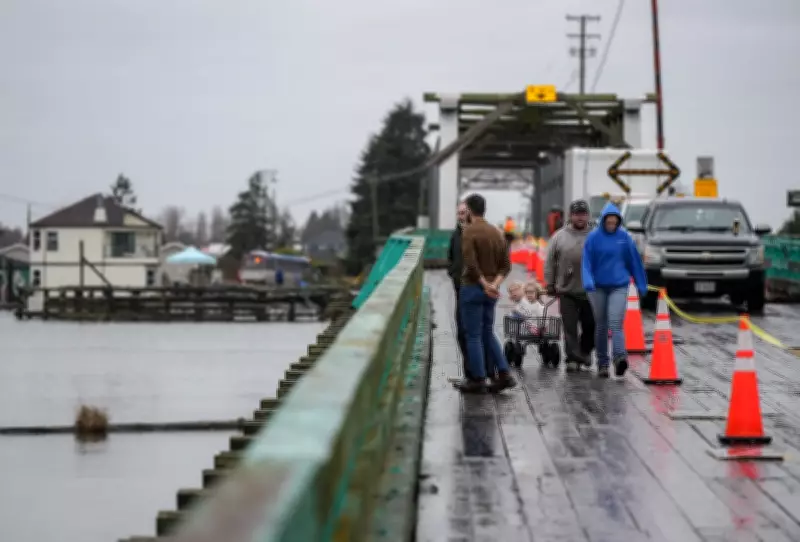
Water Advisory Ends for B.C. Island Community, but Bridge Access Remains Severely Restricted
A boil water advisory affecting a British Columbia island community has been officially lifted, providing relief to residents. However, this positive development is tempered by the extended closure of the Westham Island Bridge to pedestrian traffic, following a more comprehensive damage assessment.
Bridge Damage More Extensive Than Initially Estimated
The Westham Island Bridge, which serves as the sole road access point to the island community in Delta, B.C., sustained significant damage when it was struck by a tugboat last week. Initial inspections underestimated the severity of the structural issues. Recent engineering evaluations have revealed that the damage is more substantial than originally thought, requiring weeks of work to implement a permanent repair solution.
The bridge remains closed to all vehicle traffic, and authorities have now extended the closure to include pedestrians as well, citing safety concerns. This decision creates substantial access challenges for island residents who rely on the bridge for daily commuting, supplies, and emergency services.

Resolution of Water Quality Concerns
The conclusion of the boil water advisory marks the end of a period of inconvenience for residents who had been instructed to boil their drinking water as a precautionary measure. Water quality testing has now confirmed that the water supply meets all safety standards, allowing normal consumption to resume.
Local officials have emphasized that while the water advisory has been resolved, the bridge situation requires ongoing attention. "We understand the frustration this extended closure causes for our community," stated a municipal representative. "Our priority must be public safety, which means ensuring the bridge is completely secure before allowing any access."
Community Impact and Response
The dual challenges of water safety concerns and transportation access disruptions have tested the resilience of this island community. Residents have had to adapt to temporary arrangements for basic necessities while awaiting infrastructure repairs.
Transportation authorities are exploring alternative access options during the repair period, though options are limited given the island's geographical isolation. The timeline for complete bridge restoration remains uncertain, with engineers working to expedite repairs while maintaining structural integrity standards.
This incident highlights the vulnerability of isolated communities that depend on single access points for essential services. The extended closure period will likely prompt discussions about infrastructure redundancy and emergency preparedness for similar situations in the future.






