

British Columbia Announces Emergency Funding for Barge Service to Isolated Island Community
The Government of British Columbia has committed to funding an emergency barge service to restore critical access to Westham Island, a community that has been effectively cut off from the mainland since a vessel strike severely damaged the Westham Island Bridge in Delta. The incident, which occurred on January 20, 2026, has left residents and businesses stranded, prompting urgent provincial intervention to address the transportation crisis.
Immediate Response to a Critical Infrastructure Failure
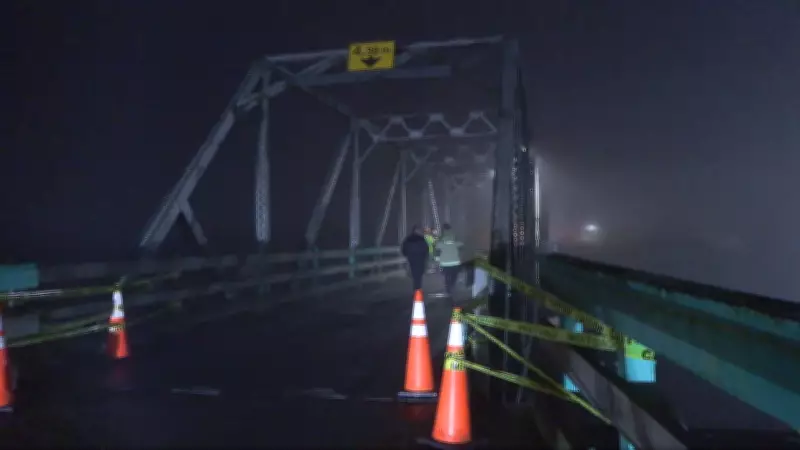
Following the vessel strike, caution tape was swiftly deployed on the Westham Island Bridge, highlighting the structural compromises and immediate safety concerns. The bridge serves as the sole vehicular link between Westham Island and the mainland, making its incapacitation a significant logistical and economic hurdle for the local population. Provincial authorities have recognized the severity of the situation, moving quickly to implement a temporary solution while long-term repairs are assessed.
The emergency barge service is designed to provide a reliable alternative for transporting essential goods, services, and residents until the bridge can be fully restored. This measure aims to mitigate the disruptions to daily life, including access to healthcare, education, and commerce, which have been severely impacted by the isolation.

Broader Implications for Infrastructure and Community Resilience
This incident underscores the vulnerabilities of critical infrastructure in coastal and island communities across British Columbia. The reliance on single points of access, such as bridges, can lead to cascading effects when unexpected events like vessel strikes occur. The provincial funding for the barge service not only addresses an immediate need but also highlights the importance of contingency planning for remote and semi-remote areas.
Local officials have expressed relief at the provincial support, noting that the community's resilience is being tested. The barge service is expected to operate on a scheduled basis, with details on timing and capacity to be released in the coming days. Meanwhile, engineers and transportation experts are conducting thorough assessments to determine the extent of the bridge damage and develop a comprehensive repair plan.
As British Columbia navigates this infrastructure challenge, the situation serves as a reminder of the interconnectedness of transportation networks and the need for robust emergency response strategies. The provincial government's proactive approach in funding the barge service demonstrates a commitment to supporting affected communities during times of crisis.






