

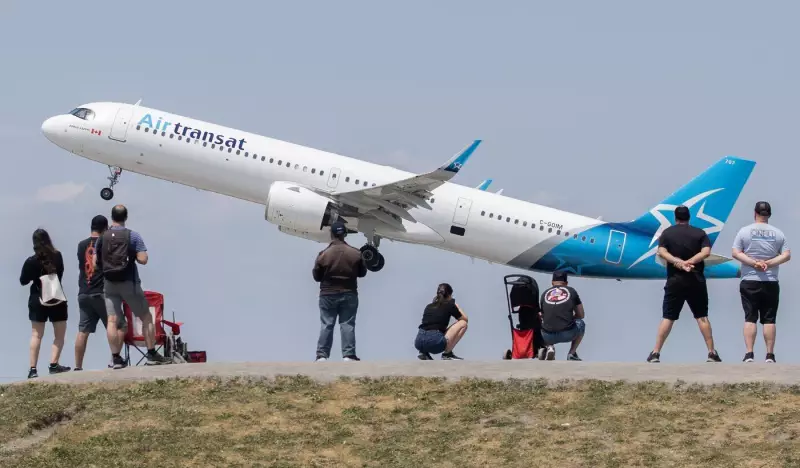
In a strategic move to bolster its international network, the Canadian leisure carrier Air Transat has entered into a significant interline partnership with Brazil's GOL Airlines. The agreement was officially announced on December 1, 2025.
Forging a Transcontinental Link
This new commercial alliance connects the operations of two major airlines in the Americas. An interline agreement allows each airline to sell tickets on the other's flights, providing passengers with a more seamless travel experience. For customers, this means easier booking of itineraries that combine Air Transat and GOL flights on a single ticket, with through-check of baggage to the final destination.
The partnership effectively bridges Air Transat's extensive network across Canada, Europe, the Caribbean, and the United States with GOL's vast domestic route map within Brazil and its connections to other South American destinations. This is poised to simplify travel for Canadians looking to explore Brazil beyond major gateway cities and for Brazilians accessing a wider range of Canadian destinations.

Strategic Benefits for Passengers and Airlines
For Air Transat, this deal represents a calculated expansion of its global reach without the immediate capital expenditure of launching its own flights to new Brazilian points. It leverages GOL's strong position as one of Brazil's leading airlines. Similarly, GOL gains valuable access to the Canadian market through Air Transat's established presence.
Passengers stand to benefit from increased flexibility, more travel options, and the convenience of coordinated travel arrangements. The partnership is expected to stimulate traffic in both directions, catering to tourism, business, and visiting friends and relatives (VFR) travel segments.
Context and Future Implications
Announced at the start of December 2025, this partnership is part of a broader trend among airlines to form strategic alliances rather than operate all routes independently. It enhances Air Transat's competitive stance in the vibrant and growing South American travel market.
While the initial announcement confirms the signing of the interline deal, further operational details, such as the specific route connections and when the combined bookings will become available, are typically rolled out following such agreements. The move underscores the ongoing recovery and strategic repositioning of the global aviation industry in the mid-2020s.






