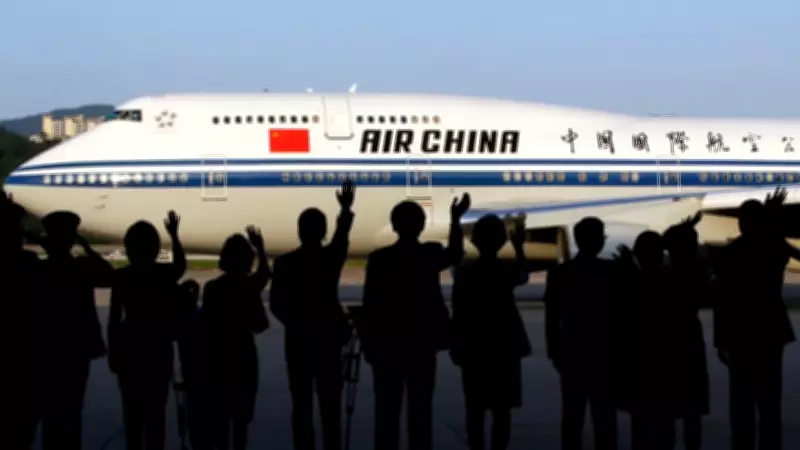
Air China, the flag carrier of the People's Republic of China, has officially announced plans to resume direct flight operations to North Korea, with services set to recommence on March 30, 2026. This move marks a notable development in regional aviation connectivity and international relations, following a period of suspended air travel between the two nations.
Details of the Flight Resumption
The decision to restore direct flights comes after careful consideration and coordination between aviation authorities in China and North Korea. While specific route details, such as departure and arrival cities, have not been fully disclosed in the initial announcement, the resumption is expected to facilitate travel for diplomatic personnel, business representatives, and potentially tourists, subject to North Korea's entry regulations.
Historical Context and Significance
Direct flights between China and North Korea have experienced interruptions in the past, often influenced by geopolitical tensions, international sanctions, or public health concerns. The reinstatement of these services by Air China, a major state-owned airline, signals a step towards normalized air travel and could reflect broader diplomatic engagements. It underscores the enduring economic and political ties between Beijing and Pyongyang, which share a long border and historical alliances.

Operational and Logistical Aspects
Air China is anticipated to deploy aircraft suitable for the route, ensuring compliance with international safety and operational standards. The airline has a fleet that includes various models, such as Airbus A320 and Boeing 737 series, which are commonly used for regional flights. Preparations likely involve crew training, scheduling adjustments, and coordination with North Korean aviation officials to secure necessary permissions and infrastructure support.
The resumption may also involve health and security protocols, given ongoing global attention to aviation safety. Passengers can expect standard check-in procedures, though additional requirements specific to North Korean entry may apply, such as visas or health declarations.
Broader Implications for Regional Connectivity
This development could have wider implications for Northeast Asia's aviation landscape. By re-establishing direct air links, Air China may pave the way for increased people-to-people exchanges and economic interactions, albeit within the constraints of North Korea's relatively isolated status. It also highlights the role of state carriers in fostering international connections, even in complex geopolitical environments.
Observers will be watching closely to see if other airlines follow suit or if this leads to expanded flight options in the future. The move aligns with trends in global aviation recovery post-pandemic, though it remains a unique case due to North Korea's specific circumstances.
In summary, Air China's planned resumption of direct flights to North Korea on March 30, 2026, represents a significant milestone in aviation and international relations. It reflects ongoing efforts to maintain and strengthen bilateral ties, while offering a new travel option for those authorized to visit the reclusive nation. Further details on schedules, tickets, and entry requirements are expected to be released as the date approaches.