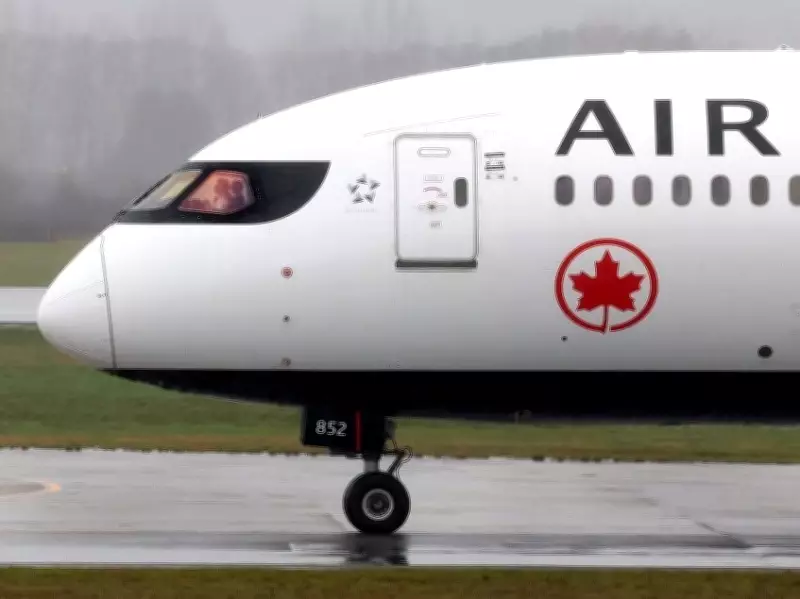
Air Canada Halts All Cuba Operations as Fuel Crisis Grounds Flights
Air Canada has announced an immediate suspension of all flights to Cuba, citing a critical aviation fuel shortage that has left the island nation unable to refuel aircraft. The decision, effective immediately, comes after Cuban authorities confirmed that kerosene supplies would be unavailable at airports across the country starting Tuesday.
Emergency Measures for Stranded Passengers
The airline's primary focus is now on repatriating approximately 3,000 Canadian travelers currently in Cuba. Air Canada will operate empty ferry flights to the island in the coming days to maintain its regular schedule from Cuba to Canada and bring these customers home safely.
"Our top priority is to bring some 3,000 customers in Cuba back to Canada," the airline stated in an official news release. "We will operate empty ferry flights to the island over the coming days to maintain our regular schedule from Cuba to Canada over the near-term to pick up these customers."

Refund Policies and Route Cancellations
Air Canada Vacations has introduced a comprehensive refund policy for customers whose Cuba-bound flights have been cancelled. Meanwhile, the airline has confirmed that seasonal flights to Holguín and Santa Clara are cancelled for the remainder of the season, while year-round routes to Varadero and Cayo Coco are suspended with a tentative restart date of May 1, pending review.
"At present, seasonal flights to Holguín and Santa Clara are cancelled for the rest of the season," Air Canada confirmed. "Flights to Varadero and Cayo Coco are scheduled to operate year-round but are currently suspended with a tentative restart, pending review, on May 1."
Competitors Take Different Approaches
While Air Canada has suspended operations, other Canadian carriers are taking alternative approaches to the crisis. Air Transat and WestJet both indicate they intend to continue flights as planned despite the fuel announcement, though with significant operational adjustments.
Air Transat told Global News that it will "operate flights as scheduled by implementing contingency measures," including potential technical stops when necessary. The airline has implemented flexible policies for affected travelers, allowing date or destination changes without penalty for departures up to February 28, with full refunds available. For March 1 through April 30 departures, changes are permitted without penalty, with travel credits issued for original bookings.
Geopolitical Context of the Fuel Crisis
The Cuban government attributes the fuel shortage to international pressure, specifically pointing to former U.S. President Donald Trump's threats of trade tariffs on countries supplying oil to Cuba. The situation has escalated since January 3, when the U.S. conducted a military operation targeting Venezuela's deposed president Nicolás Maduro, a key Cuban ally.
In a January executive order, Trump declared the Cuban government "an unusual and extraordinary threat," requiring a national emergency declaration. The order cited Cuba's ties to China, Russia, and Iran, along with human rights concerns and communist leadership, as destabilizing factors in the region.
International Response and Regional Impact
Russia, a longstanding Cuban ally, described the fuel situation as "truly critical" and criticized U.S. efforts to increase pressure on the island nation. Kremlin spokesperson Dmitry Peskov stated on state media that "the U.S.'s stranglehold is causing many difficulties for the country," emphasizing ongoing diplomatic contact between Russia and Cuba.
The aviation fuel crisis represents a significant challenge for Cuba's tourism industry, which relies heavily on international visitors. With Air Canada suspending operations and other airlines implementing contingency measures, the situation highlights the complex interplay between geopolitical tensions, energy security, and international travel logistics in the Caribbean region.