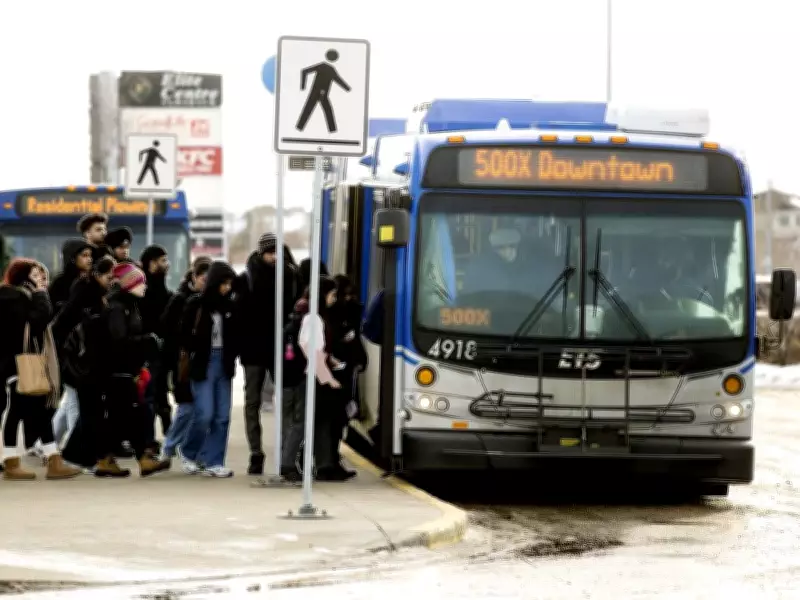
Edmonton's Aging Bus Fleet Threatens Service Cuts and Route Eliminations
Edmonton Transit Service (ETS) is grappling with a rapidly aging bus fleet, with more than half of its buses rated in poor or very poor condition. This crisis is forcing city councillors to make difficult decisions as they enter the committee phase of the four-year budget planning for 2027-2030.
According to a report set to be presented to the urban planning committee, the average age of Edmonton's buses is 25 years, far exceeding the North American retirement average of 15 years. Some buses have been in service for a quarter of a century, leading to increased breakdowns, costly repairs, and a declining passenger experience.
Potential Service Reductions
Emily Stremel, chairwoman of the Edmonton Transit Riders (ETR), warns that without adequate funding for fleet renewal, bus service could face a mandatory 13 percent reduction. By 2029, 149 buses are expected to become inoperable and irreparable, leaving passengers stranded and reducing service reliability and efficiency.

"The age of the bus fleet leads to more breakdowns leaving riders stranded, makes for more expensive and longer repairs, and a less comfortable experience which disincentivizes ridership and impacts drivers," Stremel said.
Challenges in Fleet Renewal
ETS is limited to accepting approximately 75 conventional buses annually, meaning the replacement of 300 conventional buses over 20 years old, 19 DATS vehicles, and 49 community buses must be spread over multiple years. In the previous budget cycle, the city prioritized upgrading old LRT vehicles over bus replacements, exacerbating the current situation.
Stremel emphasized the need for consistent investment: "We want to make sure that not only are we maintaining the level of service that we have, but ensuring that we're not stuck behind the eight ball again in the next budget cycle."
Funding Requirements
ETR is urging the city council to fund the targeted renewal scenario outlined in the report, which carries a price tag of $300 million over four years. This would allow for the addition of 75 buses per year, gradually modernizing the fleet.
"The biggest concern is we know it's a tight budget. Councillors are looking to make choices right now," Stremel said. She noted that transit often receives less attention in budget deliberations, despite serving 150,000 trips daily, or 10 percent of the population.
The decision on fleet renewal will be critical for maintaining accessibility, affordability, and congestion relief in Edmonton. As councillors weigh priorities, the future of bus service hangs in the balance.