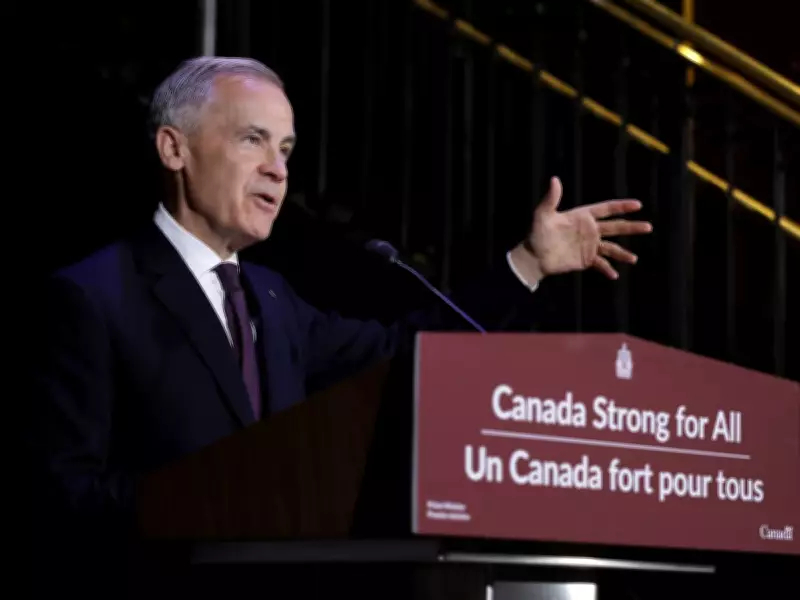
Prime Minister Mark Carney announced on April 27 a plan to create a $25-billion sovereign wealth fund. By definition, such funds are built from surplus capital, typically accumulated through trade surpluses, natural resource royalties, or excess fiscal revenue captured over time. However, Canada continues to run persistent deficits, raising an unavoidable problem. In the absence of surplus capital, this fund will almost certainly require additional borrowing, meaning higher public debt recycled into an investment vehicle whose structure, incentives, and discipline remain undefined.
The Risk of Higher Borrowing Costs
The problem is that larger issuance of Canadian government bonds places upward pressure on yields, particularly when global investors begin to question the country's overall fiscal direction. Higher government bond yields transmit quickly through the economy, feeding directly into higher mortgage rates, worsening the affordability pressures already facing households. Those yield effects also extend further. Office real estate, already adjusting to higher capitalization rates and uncertain demand, becomes harder to finance as refinancing costs rise and valuations reset. That adjustment works its way into pension funds, insurers, and lenders whose balance sheets remain tied to commercial property values.
Impact on Consumer Credit and Business Investment
Consumer credit follows the same curve. Auto loans, lines of credit, and small business borrowing re-price off the same yield environment, tightening access to credit just as living costs remain high. Projects that previously cleared hurdle rates fall away as financing assumptions shift, not because the opportunities deteriorated, but because the cost of capital moved higher. What I worry about is the track record of this government in managing large-scale projects such as this.

Lessons from the Canada Infrastructure Bank
The Canada Infrastructure Bank was created in 2017 with a clear mandate to co-invest alongside private capital in large-scale, revenue-generating infrastructure projects. The publicly stated capital envelope was $35 billion, but according to the Parliamentary Budget Officer, less than $15 billion is expected to be deployed by 2027 to 2028, more than a decade after launch and far less than 60 per cent of the original headline figure. More troubling than the pace of deployment is the absence of any meaningful performance disclosure. There is no project-level reporting, no portfolio internal rate of return, and no aggregation of realized versus expected economic performance that would allow Canadians to assess whether this capital is earning a competitive return relative to its risk.
Carney's Vision and the Need for Transparency
That backdrop makes a recent Cable Public Affairs Channel exchange particularly unsettling. In it, Carney described a vision where federal participation acts as a catalyst for projects under provincial jurisdiction, supported through taxation measures, incentives, and regulatory alignment. He went further by saying that when a commercial enterprise sits at the core of such projects, Canadians should directly share in the profits. However, without proper implementation and management, the structure of this new sovereign wealth fund could shape not only public finances but also mark the beginning of a repricing of Canadian assets. Markets have seen this story before, and they will also remember how it ends.