

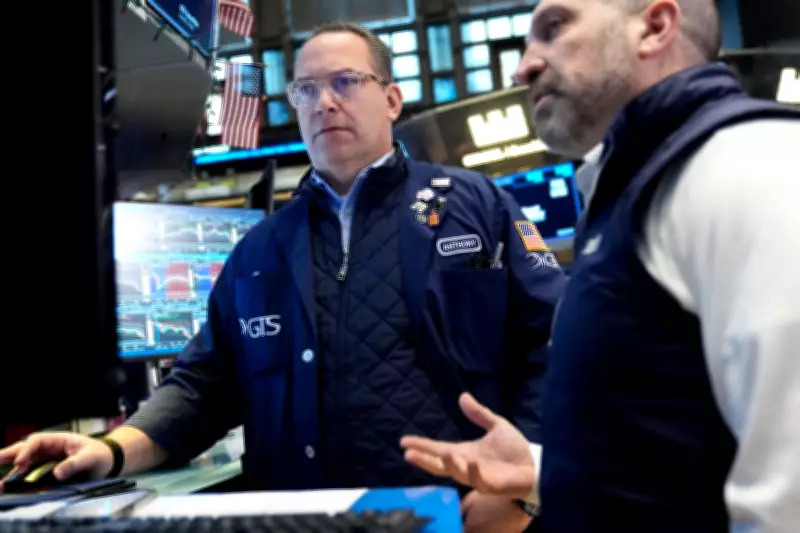
Wall Street is stumbling toward the finish line of yet another losing week, with market volatility continuing to unsettle investors and analysts alike. The persistent downward trend reflects broader economic uncertainties and shifting corporate performance metrics that are influencing trading floors across the financial district.
Market Performance and Economic Indicators
The stock market has faced significant headwinds throughout the week, with key indices showing declines amid fluctuating investor sentiment. This losing streak underscores the challenges posed by current economic conditions, including inflationary pressures and geopolitical tensions that are impacting global markets.
Investor Sentiment and Corporate News
Investor confidence has been tested as corporate earnings reports and forward guidance from major companies have failed to meet expectations. The floor of the New York Stock Exchange, where traders like Michael Capolino work diligently, has been a hub of activity as market participants react to real-time data and breaking news.

Financial analysts note that the combination of weak retail sales data and concerns over future profit forecasts has contributed to the bearish outlook. The market's performance this week is part of a larger pattern of instability that has characterized recent trading sessions.
Broader Economic Context
The struggles on Wall Street are occurring against a backdrop of mixed economic signals. While some sectors show resilience, others are grappling with slowdowns that are reflected in stock prices. This environment has led to increased caution among investors, who are closely monitoring developments that could signal a turnaround or further declines.
As the week draws to a close, market watchers are assessing the implications of these losses for the broader economy. The ongoing volatility highlights the interconnected nature of global financial systems and the importance of strategic investment decisions in uncertain times.






