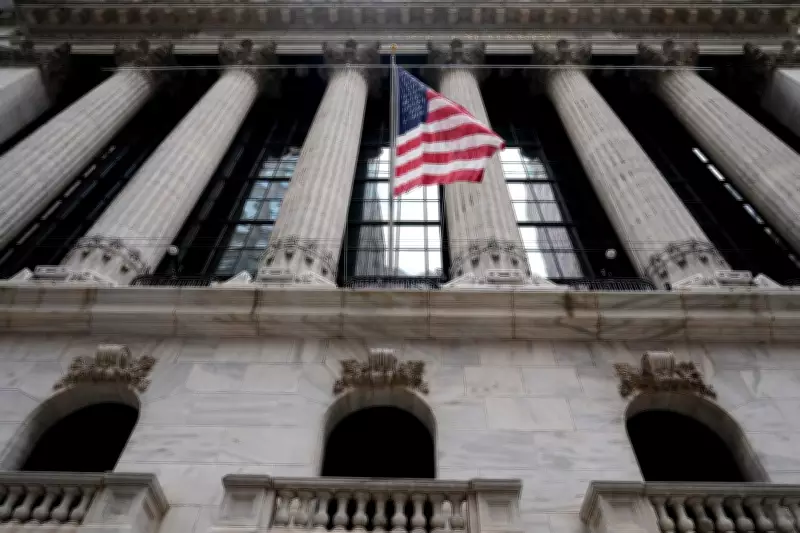
Wall Street Experiences Downturn as Oil Prices Surge Beyond $100 Amid U.S.-Iran Port Dispute
Financial markets faced significant turbulence on Monday, with Wall Street recording notable declines and crude oil prices climbing above $100 per barrel. This volatility stems from escalating geopolitical tensions between the United States and Iran, centered on strategic port access and maritime security in key regions.
Market Reactions to Geopolitical Uncertainty
The New York Stock Exchange saw broad-based selling pressure as investors reacted to heightened risks. Major indices, including the Dow Jones Industrial Average and the S&P 500, retreated amid concerns over potential disruptions to global trade and energy supplies. Analysts attribute the sell-off to growing apprehension about the economic impact of a protracted standoff between Washington and Tehran.
Oil markets witnessed a sharp rally, with Brent crude futures jumping more than 7% to surpass $102 per barrel. This surge reflects fears that tensions could impede the flow of oil through critical waterways, exacerbating existing supply constraints. The price increase marks a return to triple-digit levels not seen in several months, adding inflationary pressures to an already fragile global economy.

Root Causes: U.S. and Iran Trade Threats Over Ports
The immediate catalyst for the market upheaval is a series of reciprocal threats between the U.S. and Iranian governments regarding control and access to ports in the Persian Gulf. American officials have warned of potential naval blockades, while Iran has vowed to defend its maritime interests, raising the specter of conflict that could disrupt a significant portion of the world's oil exports.
"The situation is particularly sensitive because any military escalation could quickly spill over into adjacent shipping lanes," noted a senior market strategist. "Investors are pricing in the possibility of prolonged instability, which explains the dual reaction in equities and commodities."
Broader Implications for Global Finance and Energy
The confluence of falling stock prices and rising oil costs presents a challenging scenario for policymakers and businesses alike. Key considerations include:
- Inflationary pressures: Higher energy prices could fuel consumer price increases, complicating central bank efforts to manage inflation.
- Corporate earnings: Companies face elevated input costs, potentially squeezing profit margins and dampening economic growth.
- Investor sentiment: The uncertainty may lead to continued risk aversion, affecting capital flows and market liquidity.
Meanwhile, other energy-related developments are unfolding, such as BP's move to acquire interests in offshore Namibian blocks, signaling a strategic shift toward oil and gas investments. However, these corporate actions are overshadowed by the immediate geopolitical flashpoints.
Looking Ahead: Monitoring Diplomatic and Market Developments
Market participants are closely watching diplomatic channels for signs of de-escalation. Any resolution or reduction in tensions could prompt a swift reversal in oil prices and a rebound in equity markets. Conversely, further provocations might deepen the sell-off and sustain elevated energy costs.
The ongoing situation underscores the interconnectedness of geopolitics and global finance. As events continue to unfold, analysts advise caution, emphasizing that volatility is likely to persist until a clearer path forward emerges from the U.S.-Iran impasse.