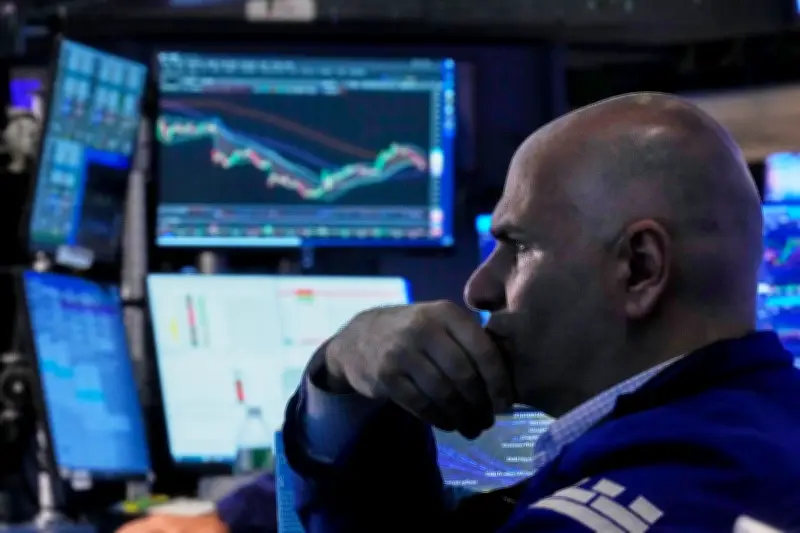
U.S. stocks drifted lower to close out a weak June, with major indices ending the month in negative territory as investors grappled with persistent economic headwinds. The Associated Press reported that the market's sluggish performance reflected concerns over inflation, interest rates, and global trade tensions.
Market Performance in June
Throughout June, the S&P 500, Dow Jones Industrial Average, and Nasdaq all posted declines, erasing gains from earlier in the spring. The month ended with a broad sell-off on the final trading day, pushing the S&P 500 down approximately 1.5% for the session, according to market data. The Dow fell over 400 points, while the Nasdaq dropped 2.1% as technology shares led the downturn.
June's weakness marked a reversal from a relatively strong May, when stocks had rallied on optimism about a potential pause in interest rate hikes. However, that optimism faded as Federal Reserve officials signaled further tightening may be needed to combat stubborn inflation.

Key Factors Behind the Decline
Several factors contributed to the market's June slump. First, the Federal Reserve's minutes from its June meeting indicated that policymakers remain committed to raising rates if inflation does not cool sufficiently. Second, economic data showed mixed signals: while the labor market remained robust, manufacturing activity contracted for the eighth consecutive month, according to the Institute for Supply Management.
Additionally, geopolitical uncertainties, including the ongoing conflict in Ukraine and trade tensions with China, weighed on investor sentiment. The U.S. dollar strengthened against major currencies, putting pressure on multinational corporations' earnings.
Sector Performance
All 11 S&P 500 sectors ended June lower, with technology, consumer discretionary, and real estate suffering the steepest losses. Energy stocks also declined despite elevated oil prices, as investors worried about slowing global demand. Defensive sectors like utilities and healthcare fared relatively better but still posted negative returns.
Bond yields rose during the month, with the 10-year Treasury yield climbing to 4.2% from 3.8% at the start of June, reflecting expectations of higher-for-longer interest rates.
Outlook for July
Looking ahead, analysts expect market volatility to persist as second-quarter earnings season begins in mid-July. According to FactSet, analysts project S&P 500 earnings to decline 6.8% year-over-year, which would mark the largest drop since the pandemic-induced recession in 2020.
“Investors are bracing for a challenging earnings season,” said a market strategist quoted by The Associated Press. “The combination of higher input costs, slowing demand, and a strong dollar is likely to weigh on corporate profits.”
The Federal Reserve's next policy meeting is scheduled for late July, with markets pricing in a 25-basis-point rate hike, according to CME Group's FedWatch tool. Any surprises in the inflation data or Fed commentary could trigger further market swings.