

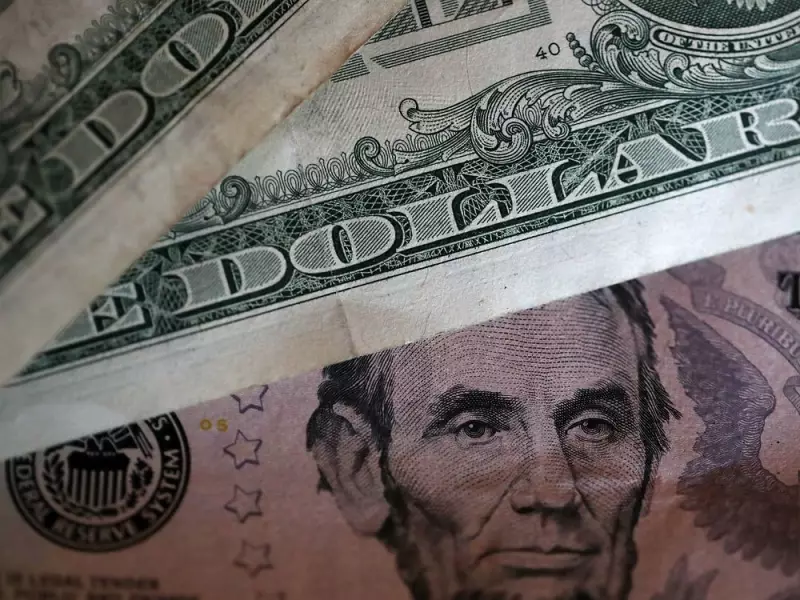
The U.S. dollar is poised to end 2025 with its most significant annual decline in eight years, and trading activity in the derivatives market suggests the currency's slide may continue into the new year.
Markets Bet on Continued Dollar Weakness
The Bloomberg Dollar Spot Index fell approximately 8% over the course of the year, putting it on pace for its worst performance since 2017. Despite a brief intraday recovery on Tuesday following a robust U.S. GDP report, the broader trend remains negative. Analysts point to expectations that the Federal Reserve will continue to cut interest rates while other major central banks near the end of their own easing cycles.
This sentiment is clearly reflected in the options market. Data shows that so-called risk reversals, which gauge market positioning and sentiment, indicate traders are the most bearish on the greenback in three months. Recent trading activity reveals that the euro and the Australian dollar have been primary instruments for expressing this pessimistic outlook on the U.S. currency.

Analysts See a "Comfortably Negative" Outlook
Senior market analysts echo the downbeat signals from trading floors. Ipek Ozkardeskaya, a senior analyst at Swissquote Bank, stated in a note published Tuesday that "the dollar outlook remains comfortably negative," adding that "bullish calls on the dollar are rare." She cited ongoing concerns about U.S. fiscal discipline and global trade tensions as persistent headwinds.
Paresh Upadhyaya of Pioneer Investments anticipates the bearish trend will extend into 2026, albeit at a more moderate pace. "The key risk to this view," Upadhyaya cautioned, "is U.S. growth exceptionalism returning."
Strong Data Highlights Rebound Risk
That exact risk was highlighted by economic data released on December 23, 2025. The U.S. economy expanded at a 4.3% annualized pace in the third quarter, its fastest rate in two years and exceeding most forecasts. This robust growth, driven by consumer and business spending, temporarily trimmed the dollar's losses on Tuesday.
Ozkardeskaya warned that the dollar remains vulnerable to a sharp, sudden rebound if upcoming economic indicators force markets to reassess their expectations for Fed policy in a more hawkish direction.
The dollar's weakness has provided a boost to other major currencies. The Canadian dollar rallied to its strongest level against the greenback since July following a report showing Canada's economy returned to growth in November. Meanwhile, the Swedish krona, the top performer among Group-of-Ten currencies this year, strengthened to a level not seen since February 2022.






