

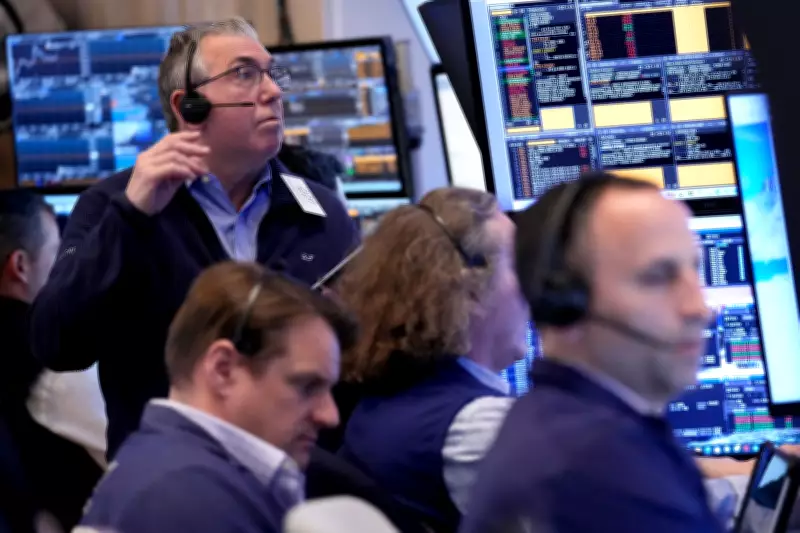
Wall Street is maintaining a delicate balance near its historic peaks as financial markets globally hold their breath for clearer signals regarding the trajectory of the ongoing conflict involving Iran. This period of anticipation has created a unique holding pattern across major indices, with investors cautiously optimistic yet deeply attuned to geopolitical developments.
A Market in Waiting
The trading floors, like the bustling New York Stock Exchange where professionals like John Bishop navigate the day's movements, reflect a collective pause. U.S. markets have recently posted new highs, fueled in part by hopes that the situation in the Middle East might stabilize or at least become more predictable. Simultaneously, Canada's S&P/TSX composite index has mirrored this upward trend, indicating a broader North American market sentiment leaning toward cautious growth.
Geopolitical Tensions and Economic Indicators
The uncertainty stems directly from the Iran war, a conflict that has introduced significant volatility into global economic forecasts. Investors are parsing every piece of news, from military developments to diplomatic statements, searching for clues that could dictate market directions. This waiting game underscores how deeply interconnected modern financial systems are with international affairs.

Analysts note that the market's resilience near record levels suggests underlying confidence in economic fundamentals, such as corporate earnings and employment data, but this confidence is tempered by the shadow of geopolitical risk. The situation exemplifies the classic tension between bullish domestic indicators and bearish international uncertainties.
The Broader Financial Landscape
While Wall Street watches Iran, other sectors show varied movements. For instance, craft brewers are grappling with increased shipping costs due to surging fuel prices, and vacation operators like Sunwing Vacations and WestJet Vacations have canceled Cuba operations until October, reflecting broader logistical and economic disruptions. These micro-trends highlight how global tensions ripple through specific industries.
In the background, traditional market drivers—such as interest rate expectations, inflation data, and consumer spending reports—continue to play their roles. However, the Iran conflict has temporarily amplified their importance, as investors weigh these factors against potential escalations or de-escalations abroad.
Looking Ahead
The immediate future for stocks hinges largely on forthcoming news from the Iran war front. A resolution or clear path forward could unleash pent-up market enthusiasm, driving indices to new heights. Conversely, an escalation might trigger a swift pullback as risk aversion takes hold.
For now, the financial world remains in a state of vigilant optimism, with trading volumes and volatility indicators closely monitored for signs of shifting sentiment. This period serves as a stark reminder of how geopolitical events can become central plot points in the narrative of global economics.






