

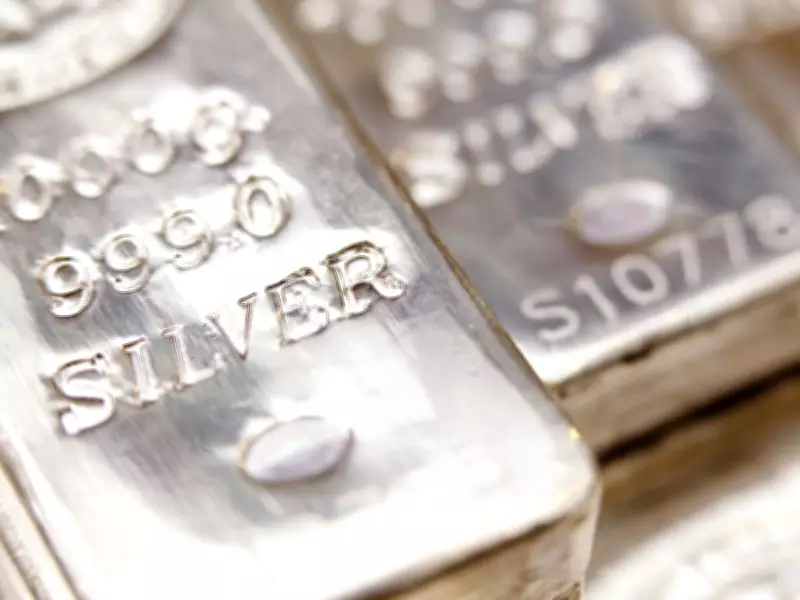
Silver's Meteoric Rise Crashes in Devastating Sell-Off
Traders have been left reeling after a historic rally in silver transformed into a brutal three-day rout, battering the retail investors who fueled its spectacular ascent. In boom-and-bust price action reminiscent of the "meme stock" craze during the COVID-19 pandemic, the white metal plunged more than 40 percent from its peak of over US$120 per ounce last Thursday.
Whiplash Volatility Grips Precious Metals Market
The whiplash continued when prices rebounded nine percent on Tuesday, highlighting the extreme volatility that has characterized recent trading. Analysts said the outsized moves in silver occurred as investors rushed to exit their bullish bets in a relatively niche market ill-equipped to handle the sheer scale of hot money flowing in and out.
While United States political developments contributed to the broader precious metals sell-off — with gold falling 21 percent peak to trough before recovering — traders attribute the speed and brutality of silver's collapse to a speculative frenzy that has abruptly reversed direction.

Retail Investors Bear the Brunt of Market Reversal
Traders identified speculative investment from retail investors, particularly in Asia, as a key driver behind silver's dramatic price increases in recent months. Individual traders poured a record US$1 billion into silver exchange traded funds in January, according to data from Vanda Research, leaving them particularly vulnerable when the market turned.
"Silver is always a death trap," said Rhona O'Connell, analyst at StoneX. "We've had this hyperbolic move over the last few weeks — it really was an accident waiting to happen."
ETF Trading Reaches Unprecedented Levels
Exchange traded funds tracking gold and silver — often described as "gold on steroids" for their greater volatility — have lost approximately US$150 billion in value since the market peak last week, according to calculations. The speculative fervor was most evident in financial assets linked to precious metals, with trading activity reaching extraordinary levels.
The most popular silver ETF and retail investor favorite, SLV, set multiple records for trading activity last week. On January 26, with silver prices near their record high, US$39.4 billion was traded on SLV — approaching the US$41.9 billion traded on the most popular ETF linked to the S&P 500 stock index on the same day. This represents a dramatic shift from the previous year when the S&P 500 ETF attracted seventy times more volume than its silver counterpart.
Leveraged Products Magnify Losses for Traders
Leveraged ETFs proved particularly punishing during the downturn. One popular leveraged product, AGQ, which offers two-times exposure to changes in silver prices, dropped 60 percent on Friday and fell another 9 percent on Monday. Market participants note that leveraged ETFs typically attract more retail-driven flows since institutional investors can obtain leverage through more efficient channels.
The human cost of this volatility has been substantial. One Reddit user who invested in AGQ near silver's record high last week reported sitting on losses exceeding US$25,000 by the weekend. "I lost a year's worth of post-tax salary today on my entire portfolio," they wrote on the forum, capturing the devastating impact on individual investors.
Physical Market Strains Under Speculative Pressure
Beyond financial markets, January also witnessed a rush to secure physical silver supplies as last year's rally intensified. National mints struggled to keep pace with demand for individual gold and silver coins, while refineries operated around the clock to process customers' jewelry, dining sets, and even old dental fillings for their precious metal content.
This episode serves as a stark reminder of the risks inherent in volatile commodity markets, particularly when retail enthusiasm reaches fever pitch. As silver continues its turbulent journey, market participants are left to assess the damage and ponder what lessons might be learned from this dramatic boom-and-bust cycle.






