Global financial markets experienced significant turbulence as the ongoing conflict in Iran entered its fourth consecutive day, with no immediate signs of de-escalation. This persistent military engagement has heightened fears among traders regarding potential long-term disruptions to energy markets and a subsequent surge in inflationary pressures worldwide.
Equity Markets Face Steep Declines
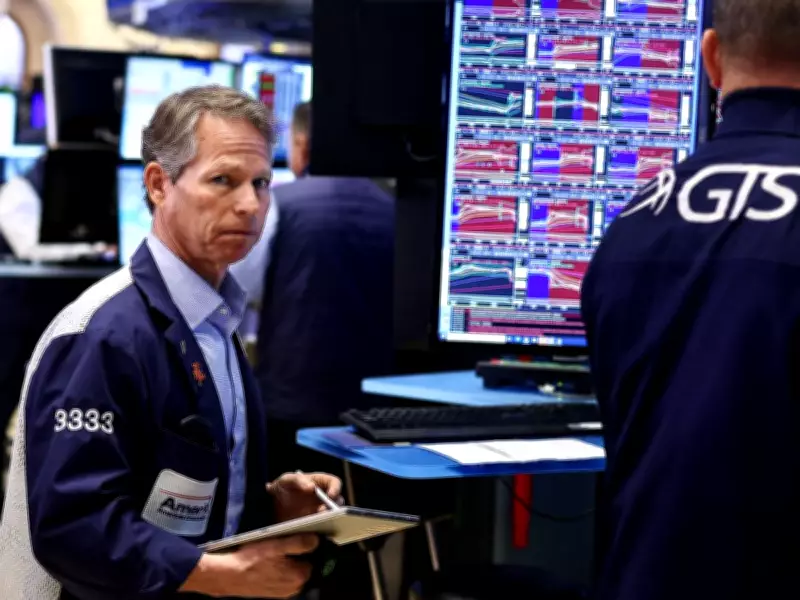
S&P 500 futures plummeted by 1.7 percent, reflecting broad-based investor anxiety. European and Asian equity benchmarks were on track for their most severe two-day decline since April, indicating widespread market distress across multiple regions.
Energy Prices Skyrocket
Brent crude oil surged more than eight percent, surpassing US$85 per barrel for the first time since July 2024. This dramatic increase was compounded by European natural gas prices, which added an additional 41 percent to Monday's gains. The price spike was exacerbated by the continued shutdown of the world's largest liquefied natural gas export plant located in Qatar.

Bond Markets Under Pressure
Concerns that elevated energy prices could persist pushed global bond yields higher for a second consecutive day. European debt instruments were particularly hard-hit due to the region's greater exposure to rising oil and gas costs. Traders significantly reduced their expectations for interest-rate cuts in response to these developments.
The yield on two-year U.K. gilts jumped 17 basis points, while ten-year U.S. Treasury yields climbed six basis points to 4.10 percent. Market expectations for a second Federal Reserve rate cut in 2026 diminished considerably. A surprising acceleration in euro-area inflation data further fueled speculation that the European Central Bank might consider raising rates in 2026.
Geopolitical Developments Intensify
As the U.S.-Israeli military campaign against Iran continued to reverberate throughout the Middle East, U.S. President Donald Trump emphasized there was no fixed timeline for the conflict. Secretary of State Marco Rubio warned that "the hardest hits are yet to come." The situation escalated with drone attacks targeting the U.S. embassy in Riyadh and Israeli military movements into southern Lebanon, where the Iran-aligned Hezbollah militia maintains its base.
Market Analysis and Expert Commentary
Emma Moriarty, portfolio manager at CG Asset Management, observed, "There was definitely a degree of complacency in U.S. equity market valuations at close yesterday, and a perception that military conflict in Iran was a self-contained geopolitical risk. Comments from the White House yesterday suggest a will to make the conflict more durable and to do whatever it takes."
Traders are closely monitoring developments in the Strait of Hormuz, a narrow waterway off the coast of Iran that transports approximately one-fifth of global oil supply. Any disruption to this critical shipping lane could have profound implications for energy markets worldwide.
Regional Market Impacts
South Korea's market experienced one of the day's most pronounced declines, slumping 7.2 percent as trading resumed following a holiday. Major corporations Samsung Electronics Co. and SK Hynix Inc. both dropped more than 10 percent.
In the United States, Nvidia Corp. fell three percent in premarket trading amid reports that officials were considering capping the number of artificial-intelligence accelerators the company could export to individual Chinese customers. European financial institutions also suffered, with banks and insurers now in negative territory for the year as rising bond yields weighed on valuations. UniCredit SpA and Deutsche Bank AG both slumped more than five percent.
Strategic Outlook and Investment Positioning
Joachim Klement, head of strategy at Panmure Liberum, noted, "The critical difference is that it has become clear that crucial energy infrastructure has been shut down, which means that oil and gas supply will be impaired for four to six weeks. We continue to think that this war will last weeks, but not months."

Mohit Kumar, chief strategist for Europe at Jefferies, offered a cautious perspective: "We do not agree with the sanguine market reaction yesterday and see downside in risky assets over the coming days. We are happy to be overweight cash right now, waiting for more clarity and then use market moves to buy the dip."
The U.S. dollar strengthened 0.7 percent, maintaining its status as the preferred haven currency during periods of market uncertainty. This comprehensive market reaction underscores the interconnected nature of geopolitical events, energy markets, and global financial stability.