

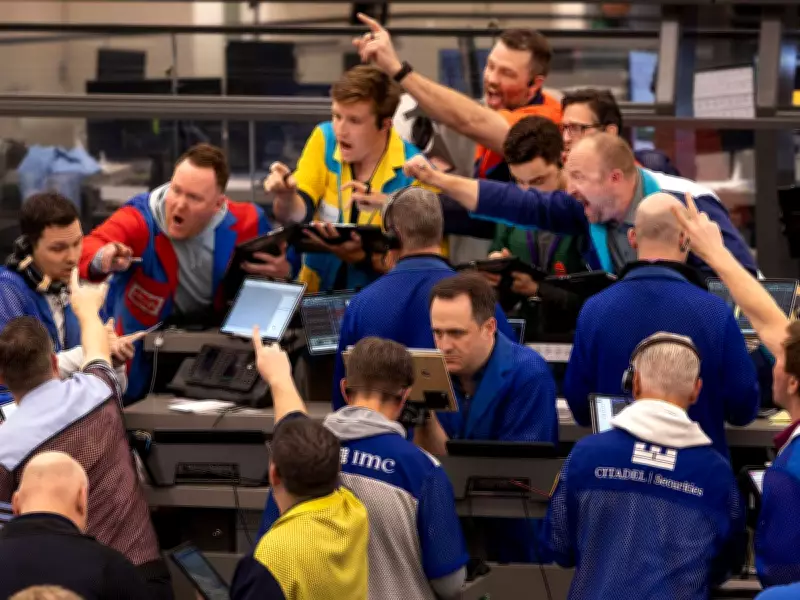
Markets Plunge as Trump's War Speech Crushes Hopes for Swift Middle East Resolution
Global financial markets experienced a significant downturn on Wednesday as President Donald Trump delivered a prime-time address that dashed investor optimism about a quick resolution to the ongoing Middle East conflict. The speech, which offered no concrete timeline for ending hostilities or reopening the critical Strait of Hormuz, triggered a sharp sell-off in stocks and bonds while sending oil prices surging to new heights.
Oil Prices Skyrocket as Conflict Persists
Brent crude oil jumped an alarming 6.9 percent to surpass US$108 per barrel following Trump's address, in which he pledged more aggressive action against Iran over the coming weeks. European diesel futures reached an unprecedented US$200 per barrel, highlighting the severe disruption to global energy markets. The price surge reflects growing concerns that approximately 20 percent of the world's oil supply remains disrupted with no clear end in sight.
"This market just isn't manageable," stated Laurent Lamagnere, deputy chief executive officer at Alphavalue in Paris. "We're really concerned about second-round effects, not only on oil prices but also on oil supply, for example, airlines trimming destinations with harsh consequences for tourism."

Equity Markets Retreat Across the Globe
S&P 500 futures dropped 1.2 percent, mirroring declines in European and Asian benchmarks. Nasdaq 100 futures fell even more sharply, declining 1.6 percent as technology stocks joined the broader market retreat. The sell-off reversed days of building optimism that Trump administration officials were seeking a diplomatic off-ramp to the conflict.
Russ Mould, investment director at AJ Bell, noted the persistent pressure on energy markets: "Oil has rarely dipped below US$100 per barrel since its initial surge. This may be a better indicator of where we are than the latest movements in global indices, as the world is forced to confront a situation where around 20 percent of the world's supply is disrupted."
Bond Markets Signal Inflation Concerns
The fixed-income market experienced significant turbulence as expectations of prolonged high oil prices prompted traders to position for tighter monetary policy. Treasury yields rose across the curve, with the two-year rate increasing three basis points to 3.83 percent. Market participants dramatically reduced their expectations for Federal Reserve rate cuts in 2026, with odds falling from over 20 percent to approximately 10 percent.
Money markets now fully price in two quarter-point interest rate hikes by the Bank of England and nearly three by the European Central Bank for the year, reflecting heightened inflation concerns stemming from the energy crisis.
Investor Exodus Ahead of Long Weekend
With many global markets preparing to close for an extended weekend holiday, traders appeared poised to reduce their equity holdings significantly. Historical patterns since the conflict began show the S&P 500 posting cumulative gains during the first three days of trading weeks, only to plummet approximately 9 percent on Thursdays and Fridays combined.
"The outcome is completely binary, it's 50/50 between escalation and de-escalation," explained Mabrouk Chetouane, global head of market strategies at Natixis IM Solutions. "The best choice is just to keep a cool head and maintain our allocation, it's the most reasonable thing to do."
Sector Performance Reflects War Impact
Energy companies including Venture Global Inc. and Exxon Mobil Corp. rebounded in U.S. premarket trading, benefiting from the surge in oil prices. Conversely, travel, mining, and semiconductor stocks declined sharply as investors anticipated broader economic repercussions from the ongoing conflict.
European Central Bank Governing Council member Fabio Panetta warned that damage from the war would continue to negatively impact the global economy even if hostilities end soon, suggesting that market volatility may persist regardless of near-term diplomatic developments.






