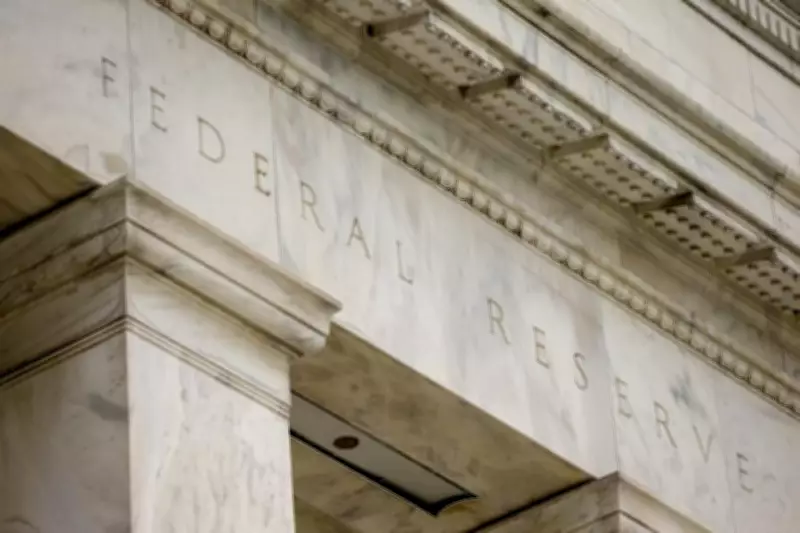
Financial markets are increasingly pricing in a Federal Reserve interest rate hike around the turn of the year, as recent economic data points to sustained growth and persistent inflation. The shift in expectations comes after a series of stronger-than-expected reports on employment, consumer spending, and manufacturing activity.
Market Expectations Shift
According to CME Group's FedWatch tool, the probability of a rate hike at the December 2026 meeting has risen to 65%, up from 40% just a month ago. Traders are also factoring in a potential move as early as November, though the December meeting remains the most likely target. The change reflects growing confidence that the economy can withstand higher borrowing costs without slipping into recession.
Economic Data Driving the Outlook
The Federal Reserve has maintained its benchmark interest rate at 5.25% to 5.50% since July 2025, following a series of cuts in early 2025. However, recent data has challenged the narrative of a slowing economy. The April jobs report showed 275,000 new positions added, well above the 200,000 forecast, while the unemployment rate held steady at 3.8%. Meanwhile, the Consumer Price Index rose 3.2% year-over-year in April, still above the Fed's 2% target.

"The economy is proving more resilient than many anticipated," said Sarah Johnson, chief economist at Market Insights Group. "Inflation is stickier than hoped, and the labor market remains tight. That combination is pushing the Fed toward a more cautious stance."
Impact on Markets
Bond yields have risen in response to the shifting expectations, with the 10-year Treasury note yield climbing to 4.35% from 4.10% at the start of May. The U.S. dollar has also strengthened, gaining 2% against a basket of major currencies over the past month. Equity markets have been more mixed, with the S&P 500 fluctuating as investors weigh the implications of higher rates on corporate profits.
"Higher rates are a double-edged sword for stocks," noted Mark Lee, portfolio manager at Capital Advisors. "They signal confidence in the economy but also increase borrowing costs, which can squeeze margins. Sectors like technology and real estate are particularly sensitive."
Fed Communication in Focus
Investors will closely monitor speeches by Federal Reserve officials in the coming weeks for clues about the timing of any rate move. Fed Chair Jerome Powell is scheduled to speak at the Jackson Hole symposium in August, which could provide further guidance. The central bank's next policy meeting is set for June 16-17, though no rate change is expected at that gathering.
"The Fed wants to see more evidence that inflation is sustainably moving toward 2% before acting," said Johnson. "But if the data continues to come in hot, they may feel compelled to move sooner rather than later."