

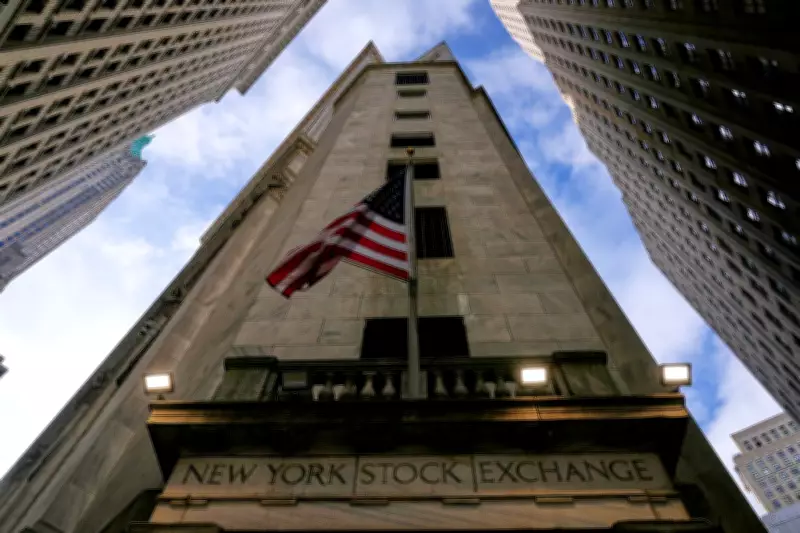
Markets Show Fatigue from Tariff Discussions, Analyst Indicates
Financial markets have grown increasingly weary from the persistent topic of tariffs, with one prominent analyst suggesting that the worst of the uncertainty may now be in the past. Nate Thooft, Chief Investment Officer and senior portfolio manager at Manulife Investment Management, recently shared his insights during an interview with BNN Bloomberg, highlighting the current sentiment among investors.
Exhaustion Sets In as Trade Tensions Persist
Thooft pointed out that the constant back-and-forth on tariffs, particularly those involving former U.S. President Donald Trump's policies, has left market participants feeling drained. "We are seeing a sense of exhaustion setting in," he remarked, emphasizing that while tariffs remain a significant factor, the initial shock and volatility have subsided. This comes as new U.S. tariffs started at 10%, with the Trump administration working to increase them to 15%, adding layers of complexity to international trade dynamics.
Behind the Worst of It?
According to Thooft, the markets have likely weathered the most severe impacts of tariff-related disruptions. He noted that businesses and investors have adapted to the evolving landscape, with many implementing strategies to mitigate risks. "The worst behind us does not mean smooth sailing ahead, but rather a more manageable environment," he explained. This perspective aligns with broader economic analyses that suggest a gradual stabilization, even as Canada and other nations navigate ongoing trade chaos and uncertainty.

Broader Economic Context
The discussion on tariffs is part of a larger narrative involving global economic policies. For instance, Canada has approved the latest Gulfstream business jets despite Trump tariff threats, showcasing resilience in the face of protectionist measures. Additionally, businesses caution against expecting lower prices even after emergency tariffs were rejected, indicating that the effects of past policies linger in supply chains and consumer costs.
Thooft's comments underscore a cautious optimism in financial circles, where fatigue from political rhetoric is giving way to a focus on long-term investment strategies. As markets continue to digest news on tariffs and trade agreements, analysts like Thooft advocate for a measured approach, emphasizing the importance of staying informed without succumbing to short-term panic.






