

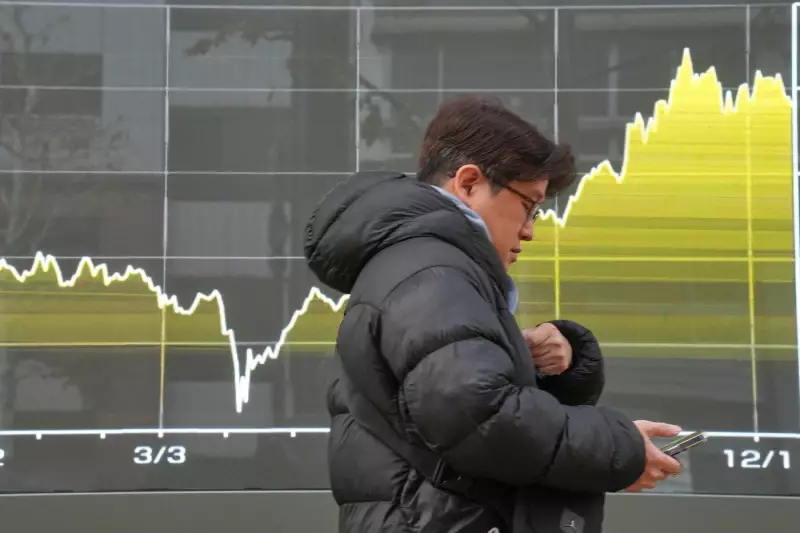
Stock markets in Japan experienced a notable uplift following a landmark decision by the nation's central bank. The Bank of Japan moved to increase its key interest rate, setting it at its most elevated point in three decades.
A Historic Monetary Policy Shift
The pivotal announcement was made on Friday, December 19, 2025. This significant monetary policy adjustment marks a decisive shift away from the long-standing era of ultra-low interest rates that has characterized Japan's economy. The move is seen as a response to persistent inflationary pressures and a step towards policy normalization after years of aggressive stimulus.
Immediate Market Reaction
In the immediate aftermath of the announcement, Japan's benchmark Nikkei 225 index advanced. The positive movement was captured in Tokyo, where individuals were observed walking past financial displays charting the index's climb at a local securities firm. This upward trend indicates that investors may have anticipated the hike or viewed it as a sign of confidence in the underlying strength of the Japanese economy.

The rate increase represents the most substantial tightening of monetary policy in Japan since the 1990s. For years, the Bank of Japan has been a global outlier, maintaining negative interest rates to combat deflation and stimulate growth. This week's decision signals a potential turning point, aligning Japan more closely with other major economies that have been in a rate-hiking cycle.
Global and Canadian Context
While the event centers on Japan, it carries implications for global financial markets, including those in Canada. Changes in the monetary policy of a major economy like Japan can influence global capital flows, currency exchange rates, and investor sentiment worldwide. Canadian investors and exporters monitoring the Asian market will be assessing the potential ripple effects on trade and investment.
The decision arrives amid a busy period for financial news. As reported, other significant business developments include BlackBerry reporting a Q3 profit of US$13.7 million, a turnaround from a loss a year ago, and TikTok signing a deal to sell its U.S. unit. However, the Bank of Japan's action stands out for its historical significance and its potential to redefine the financial landscape in Asia.
Analysts will be watching closely to see if the interest rate hike curbs inflation without stifling economic growth. The market's initial advance suggests cautious optimism, but the long-term effects on Japan's stock market and its trading partners remain to be fully seen.






