

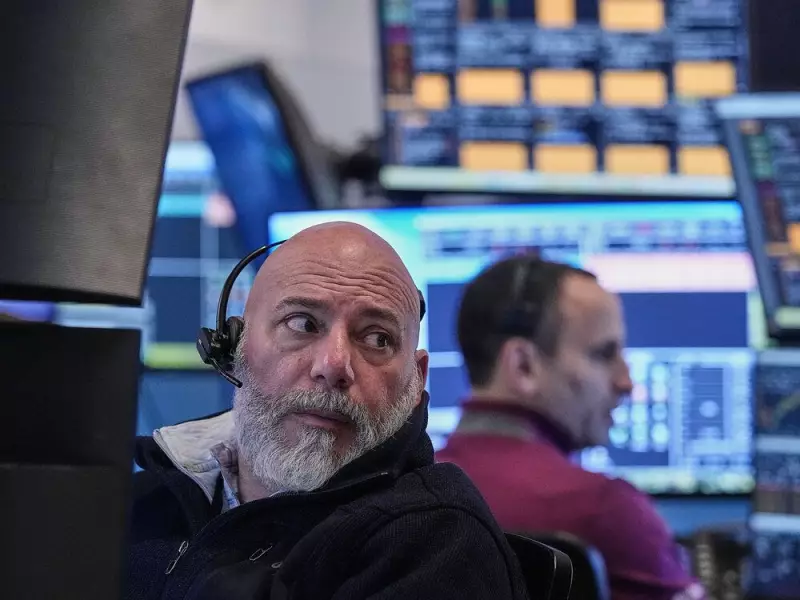
Market Calm Shattered by Greenland Dispute and Japanese Bond Turmoil
The relative tranquility that characterized financial markets at the start of the year has been decisively broken. A combination of geopolitical tensions over Greenland and significant volatility in Japanese bond markets has triggered a sharp shift in investor sentiment, propelling the so-called 'Sell America' trade into full force.
Geopolitical Tensions Rattle Investor Confidence
For weeks, Wall Street had been remarking on the unusual calm in global markets. However, that period of stability came to an abrupt end as a diplomatic clash between the United States and Europe over Greenland threw the transatlantic alliance into disarray. The chaotic negotiation style emanating from the White House, including tariff threats on products like French champagne, has significantly chilled market confidence.
The widespread view among investors remains that a diplomatic solution will ultimately be reached. Yet, the uncertainty surrounding President Donald Trump's push for control over Greenland has stoked anxieties about worst-case scenarios, ranging from a rupture in the NATO alliance to the outbreak of another full-scale trade war.

Market Reaction and the 'Sell America' Trade
As stock markets opened, the reaction was swift and severe. The S&P 500 slid 1.5 percent, effectively erasing all the gains it had accumulated so far in the year. This sell-off was not isolated to equities. Treasuries, the U.S. dollar, and even Bitcoin posted concurrent losses, indicating a broad-based retreat from U.S. assets.
The CBOE Volatility Index (VIX), a key measure of expected stock-market swings, surged to its highest level since November. This spike in the so-called 'fear gauge' underscores the heightened anxiety now permeating trading floors. The scale of these moves suggests that investors' previous willingness to shrug off geopolitical and policy shocks is beginning to erode.
Safe Havens and Hedging Strategies in Focus
In this environment of renewed uncertainty, investors are actively turning to traditional hedges and safe havens. The volatility across U.S. bonds, equities, and the dollar had recently sunk to multi-decade lows, but that run of tranquility now appears finished. Market participants are reassessing risk and repositioning portfolios to weather potential further turbulence.
Some analysts and fund managers speculate that creating market volatility might be a strategic tool for European governments. The reasoning is that market movements could capture the attention of U.S. leadership in a way that diplomatic statements alone may not.
Japanese Bond Market Adds to Global Pressures
Compounding the geopolitical concerns is significant turmoil in the Japanese bond market. Yields on Japan's 40-year debt topped four percent, while the rate on 10-year U.S. Treasuries jumped six basis points to 4.29 percent. This surge in global bond yields is heightening investor worries about financing costs and credit stability worldwide.
Institutional Response and Long-Term Concerns
The market shockwaves have prompted concrete actions from major institutional investors. Notably, Danish pension fund AkademikerPension announced it will exit its holdings of U.S. Treasuries by the end of the month. The fund's leadership cited concerns that current U.S. policies have created credit risks that are too substantial to ignore, questioning the long-term sustainability of U.S. government finances.
This move highlights a growing undercurrent of concern about fiscal health and political risk, extending beyond immediate market reactions to deeper, structural anxieties. As investors navigate this newly volatile landscape, the search for stability and the recalibration of risk assumptions will likely define trading strategies in the weeks and months ahead.






