

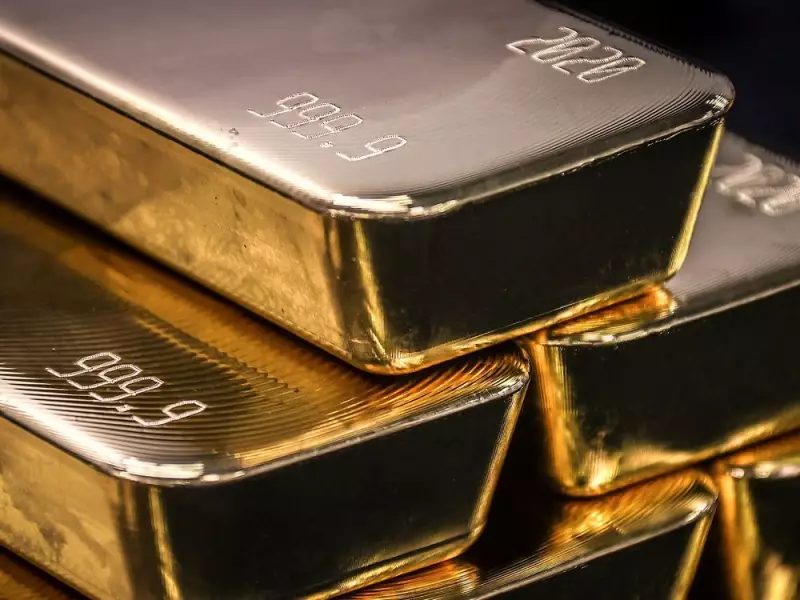
Precious metals markets have entered uncharted territory, with both gold and silver achieving historic price peaks. This surge is fueled by a potent combination of rising geopolitical instability and growing investor confidence that the United States Federal Reserve will implement interest rate cuts in the coming year.
Historic Price Milestones Achieved
Gold bullion climbed more than 1.5% to surpass its previous record of US$4,381 per ounce, a high set in October of this year. Not to be outdone, silver staged an even more dramatic rally, jumping as much as 3.4% and closing in on the significant threshold of US$70 per ounce. These gains solidify what is shaping up to be the strongest annual performance for both metals since 1979.
Dual Drivers: Monetary Policy and Global Conflict
Analysts point to two primary forces propelling the rally. First, traders are increasingly betting on a more accommodative monetary policy from the U.S. Federal Reserve. Markets are pricing in expectations for two interest rate cuts in 2026, a stance that has found a vocal advocate in U.S. President Donald Trump, who has pushed for looser policy. Lower interest rates reduce the opportunity cost of holding non-yielding assets like gold and silver, making them more attractive to investors.

Second, escalating geopolitical flashpoints are enhancing the traditional safe-haven appeal of precious metals. Recent developments include a U.S. intensification of an oil blockade against Venezuela, increasing pressure on the government of President Nicolás Maduro. Simultaneously, Ukraine's first attack on an oil tanker from Russia's shadow fleet in the Mediterranean Sea has added to global uncertainty, driving capital towards perceived stores of value.
Broad-Based Demand Underpins the Rally
The rally is supported by robust and diverse demand. Central banks around the world have been consistent net buyers, adding to their gold reserves throughout the year. This institutional demand has been complemented by significant inflows into bullion-backed exchange-traded funds (ETFs). According to data, gold-backed ETFs have seen inflows for four consecutive weeks, and total holdings have risen every month this year except for May.
Furthermore, a strategic shift known as the "debasement trade" is at play. Some investors are retreating from sovereign bonds and traditional currencies, fearing their value will erode over time due to soaring global debt levels. New market participants, including stablecoin issuers like Tether Holdings SA and corporate treasury departments, are also creating a broader and more resilient demand base for gold.
Other precious metals joined the ascent. Palladium rose more than four percent, while platinum traded above US$2,000 for the first time since 2008, marking its eighth straight session of gains.
Outlook: Can the Rally Continue?
After a brief retreat from October's peak, gold has rebounded with remarkable speed, positioning itself for further gains into the new year. Major financial institutions are bullish on its prospects. Goldman Sachs Group Inc. has issued a base-case price target of US$4,900 per ounce for 2026, noting that ETF investors are beginning to compete with central banks for limited physical supply.
"Today’s rally is largely driven by early positioning around Fed rate-cut expectations, amplified by thin year-end liquidity," said Dilin Wu, a strategist at Pepperstone Group Ltd. She added that sluggish jobs growth and softer-than-expected U.S. inflation data in November supported the narrative for more accommodative policy. Wu concluded that while Fed policy drives short-term swings, central-bank buying, physical demand, and geopolitical hedging serve as powerful medium- to long-term anchors for prices.






