

Precious Metals Markets Experience Sharp Decline Amid Extreme Volatility
Gold and silver markets witnessed their most substantial sell-off in years this week, marking a dramatic reversal from the record-breaking rally that had propelled both precious metals to unprecedented price levels. The sudden downturn has sent shockwaves through global commodities trading, highlighting the inherent volatility in metals markets during periods of intense investor speculation.
Gold Breaks Through Critical $5,000 Threshold
Gold experienced a precipitous decline, falling as much as eight percent to crash through the psychologically significant US$5,000 per ounce barrier. This represents one of the most substantial single-day drops in recent memory for the precious metal, which had been enjoying a remarkable bull run throughout January. The sharp correction has prompted market analysts to reassess the sustainability of gold's recent gains.
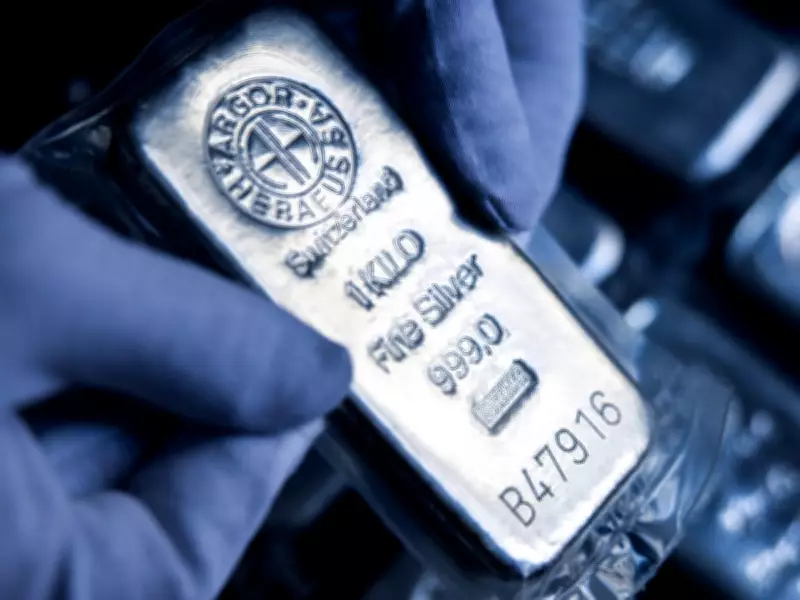
Meanwhile, silver suffered an even more dramatic plunge, dropping more than seventeen percent toward US$95 per ounce. This intensified what has already been an exceptionally volatile period for the white metal, which had surged nearly forty percent earlier in the year before this sudden reversal. The simultaneous decline of both precious metals suggests broader market forces at play rather than isolated incidents.

Broader Metals Market Impact
The sell-off extended beyond precious metals to affect industrial commodities as well. Copper dropped more than three percent in London trading, despite having surged above US$14,000 per tonne for the first time just days earlier. This represented copper's most significant intraday decline since the 2008 financial crisis, indicating that the market correction was widespread across the metals sector.
Platinum also experienced substantial losses, tumbling more than ten percent as the selling pressure swept through precious metals markets. The synchronized nature of these declines points to systemic factors influencing investor sentiment across multiple commodity classes rather than isolated technical corrections.
Dollar Strength and Political Developments Drive Market Movements
The sudden reversal in metals prices coincided with a strengthening U.S. dollar, which rose as much as 0.6 percent against other major currencies. This dollar rally undercut sentiment among investors who had been aggressively accumulating metals positions following signals from the U.S. administration about potential currency weakness.
Market analysts identified a specific catalyst for the dollar's rebound: reports that the Trump administration is preparing to nominate Kevin Warsh for Federal Reserve chair. Warsh, a former Fed governor with a reputation as an inflation hawk, has recently aligned himself with presidential positions advocating for lower interest rates. The prospect of his nomination appears to have shifted market expectations about monetary policy direction.
Chinese Investor Activity and Market Regulation
Chinese investors have played a significant role in the recent metals rally, buying with such intensity that the Shanghai Futures Exchange was compelled to implement measures designed to cool the surge in both precious and industrial metal markets. This regulatory intervention, combined with the dollar's strength and political developments, created a perfect storm for metals investors who had been riding the upward momentum.
Christopher Wong, a strategist at Oversea-Chinese Banking Corp., characterized the market movement as validating "the cautionary tale of fast-up, fast-down." While acknowledging that reports of Warsh's nomination served as a trigger, Wong suggested that a correction was overdue, describing it as "one of those excuses markets are waiting for to unwind those parabolic moves."
Technical Indicators and Market Fundamentals
Technical analysis reveals that warning signs had been flashing before the dramatic sell-off. The relative-strength index for gold recently reached 90, marking its highest level in decades and signaling that the metal had become significantly overbought. Similar indicators for silver suggested comparable conditions, with both metals appearing due for a correction based on traditional technical metrics.

Despite the substantial pullback, gold remains up approximately seventeen percent for January, potentially marking its sharpest monthly gain since 1980 if current levels hold. Silver, despite its dramatic decline, maintains a remarkable year-to-date increase of nearly forty percent, illustrating just how extraordinary the recent rally had been before this week's reversal.
Geopolitical Context and Market Implications
The Trump administration's unconventional approach to global affairs has contributed significantly to metals market volatility throughout this period. From the seizure of Venezuela's leader to threats regarding Greenland annexation and tariff impositions against allies, these geopolitical developments have driven investors toward safe-haven assets like gold and silver. More recent warnings about potential strikes on Iran and levies against countries providing oil to Cuba have further complicated the global risk landscape.
Meanwhile, the avoidance of another U.S. government shutdown through a tentative deal between the administration and Senate Democrats has provided some stability, though negotiations continue regarding immigration enforcement policies that have provoked national controversy.
The dramatic events in metals markets this week serve as a powerful reminder of the interconnected nature of global finance, where currency movements, political developments, technical indicators, and investor psychology converge to create periods of extreme volatility. As markets digest these developments, analysts will be closely watching whether this represents a temporary correction or the beginning of a more sustained reversal in the precious metals rally that has captivated investors throughout January.





