

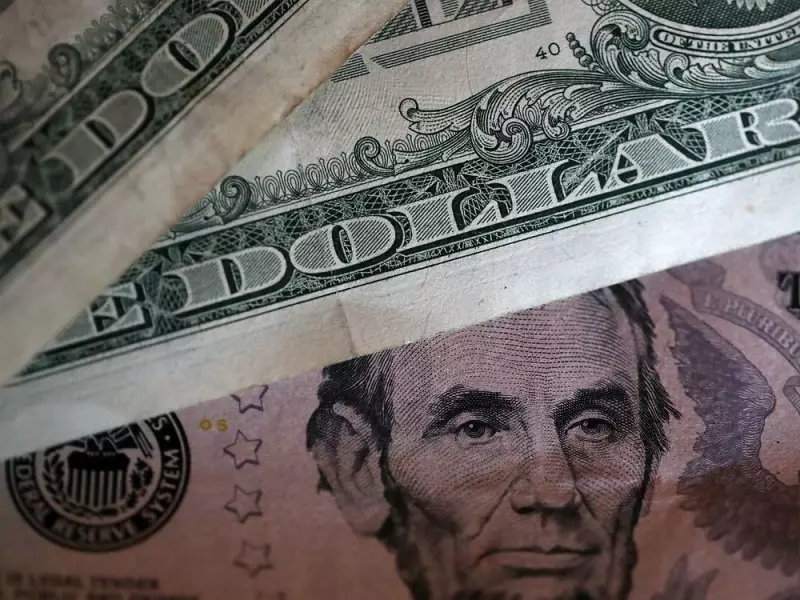
The U.S. dollar is poised to end 2025 with its most significant annual loss in eight years, and derivatives markets indicate that currency traders are positioning for the downtrend to extend into the new year.
Markets Signal More Weakness Ahead
The Bloomberg Dollar Spot Index fell as much as 0.4% on Tuesday, December 23, touching its lowest level since early October. For the year, the index is down approximately eight per cent, marking its steepest annual decline since 2017. Analysts point to options market activity, which shows traders are preparing for more downside in the greenback's value.
"The dollar outlook remains comfortably negative," stated Ipek Ozkardeskaya, a senior analyst at Swissquote Bank, in a note published Tuesday. "Bullish calls on the dollar are rare." She added that concerns over U.S. fiscal policy and trade tensions are acting as persistent headwinds.

Drivers of the Decline and Key Risks
The primary pressure on the U.S. currency stems from expectations that the Federal Reserve will continue to lower interest rates, while other major central banks are nearing the end of their own easing cycles. This divergence in monetary policy paths has eroded the dollar's yield advantage.
However, analysts warn the trend is not without risk. A stronger-than-expected U.S. economy could force a rapid reassessment. Data released Tuesday showed the U.S. economy grew at a 4.3% annualized pace in the third quarter, its fastest rate in two years. "The key risk to this view is U.S. growth exceptionalism returning," noted Paresh Upadhyaya of Pioneer Investments.
Ozkardeskaya echoed this caution, warning the dollar is vulnerable to a sharp rebound if upcoming economic data prompts markets to adopt a more hawkish view on future Fed rate moves.
Global Currency Movements
The bearish sentiment on the dollar has fueled rallies in other major currencies. The Swedish krona has been the top performer among the Group-of-10 currencies this year and strengthened further on Tuesday to its highest level since February 2022.
In Canada, a report showing economic growth in November helped propel the Canadian dollar to its strongest level against the U.S. dollar since July. Data from the Depository Trust & Clearing Corporation indicates that the euro and the Australian dollar have also been popular vehicles for expressing negative views on the greenback in recent trading sessions.
As 2025 draws to a close, the consensus in financial markets leans toward continued dollar weakness, but traders remain vigilant for any signs of a resurgent U.S. economy that could abruptly reverse the tide.






