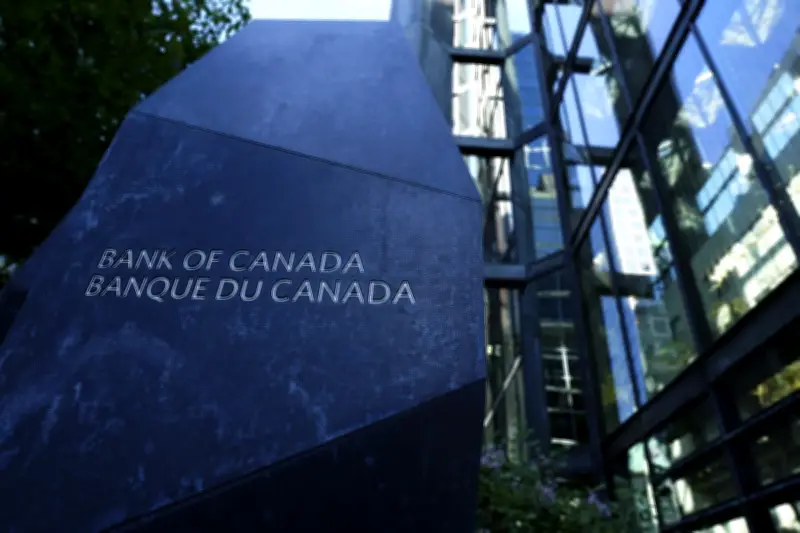
The Bank of Canada has decided to hold its key interest rate steady at 4.75% for the fifth consecutive policy decision, maintaining a cautious stance amid ongoing economic uncertainty and persistent inflationary pressures. The announcement, made on June 10, 2026, aligns with market expectations and reflects the central bank's commitment to balancing price stability with economic growth.
Economic Context
The decision comes as Canada's economy shows mixed signals. While employment remains robust, with the unemployment rate hovering near historic lows, consumer spending has moderated in recent months. Inflation, though down from its peak, remains above the Bank's 2% target, driven by elevated shelter costs and services prices. The central bank noted that global economic conditions, including geopolitical tensions and supply chain disruptions, continue to pose risks.
Market Reactions
Financial markets responded calmly to the announcement, with the Canadian dollar holding steady against the US dollar. Bond yields edged slightly lower as investors interpreted the hold as a sign that rate cuts are unlikely in the near term. Economists expect the Bank to maintain its current stance until there is clearer evidence that inflation is sustainably returning to target.

Implications for Borrowers
For homeowners and businesses, the steady rate means variable-rate mortgage holders will continue to face elevated payments, while those with fixed rates may find some relief as bond yields stabilize. The Bank emphasized that its future decisions will be data-dependent, closely monitoring core inflation, wage growth, and productivity trends.
Global Comparisons
The Bank of Canada's stance mirrors that of other major central banks, including the US Federal Reserve and the European Central Bank, which have also paused their tightening cycles. However, Canada's unique exposure to the housing market and commodity exports adds complexity to its policy path.
Outlook
Looking ahead, the Bank of Canada will continue to assess incoming data, with the next policy decision scheduled for July 15, 2026. Analysts predict that a rate cut could occur later this year if inflation continues to moderate and economic growth remains subdued. For now, the message is clear: the Bank is in no rush to loosen monetary policy until it sees convincing evidence that price pressures are fully contained.