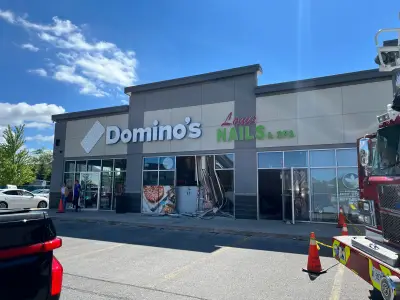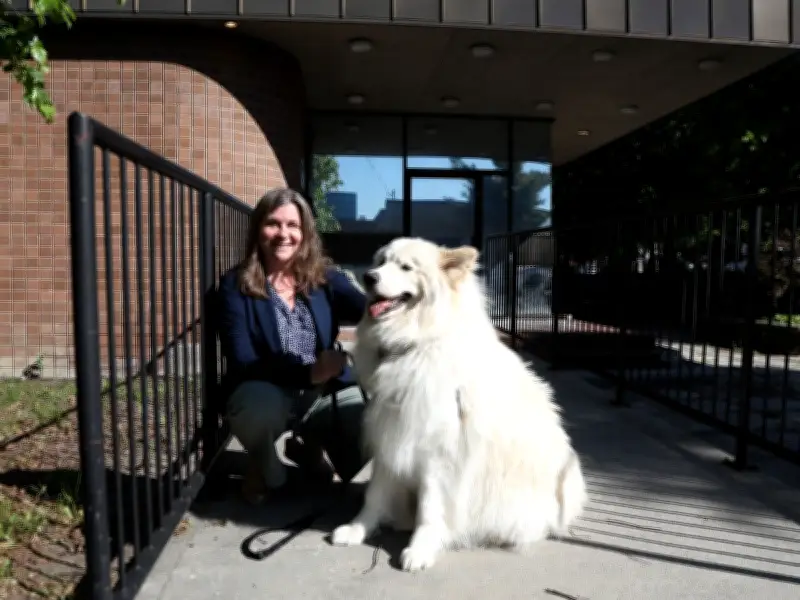
The Ottawa Humane Society is launching a fundraising campaign to retrofit and operate a former post office in Vanier as a subsidized veterinary clinic. The goal is to provide both preventive and urgent care for pets of low-income residents, so the animals are less likely to be surrendered to the shelter.
Addressing Pet Surrender Crisis
Of 6,166 pets the Ottawa Humane Society cared for last year, 1,322 were surrendered by owners. Cost and housing concerns accounted for almost 40 percent of the surrenders. "What we have been seeing is animals coming to us when the owner is in such moral distress at the thought of having to surrender their pet," said Ottawa Humane Society president and CEO Sharon Miko. "They don't have another option. What we know, if that animal could stay with this family, it's the best possible option."
Clinic Services and Costs
There will be costs for users, but the aim is to offer services at rates that help keep pets with their owners and offer preventive care before the animal requires more expensive urgent care. The program will have an anticipated operating budget of $2.3 million per year. About half of that would be offset by client fees. Services offered will include spaying and neutering, wellness checkups, preventive treatments such as vaccinations, microchip clinics, and urgent care. Spay-neuter services will also be available to the general public, but at a higher cost.

Eligibility Requirements
To qualify for reduced fees, clients must live in Ottawa and meet at least one eligibility requirement, including being enrolled in the Ontario Disability Support Program, Ontario Works, or the Resettlement Assistance Program. Seniors receiving the Guaranteed Income Supplement will also qualify, as will people who can produce notices of assessment showing they earn less than $35,000 a year. A letter of referral from a social worker, social service agency, or qualified City of Ottawa employee stating the need would also be accepted.
Facility Plans and Timeline
The Humane Society bought the former post office on Durocher Avenue last February for $3 million. It will cost about $9.4 million to get the facility up and running, with about half of its 9,000 square feet used for the veterinary clinic and the other half for other services, including a pet food bank. Some of the money raised through the $15-million campaign has also been earmarked for behavioral supports for animals with challenging behaviors, including a new building at the Humane Society headquarters on West Hunt Club Road with trails and dog parks. The vet clinic retrofit is scheduled to start this fall with an opening target date of the end of 2027.
Importance of the Animal-Human Bond
There is growing recognition of the importance of the animal-human bond for people who have no homes or are precariously housed. According to a 2018 estimate, between eight and 19 percent of the 35,000 Canadians who were unsheltered or at risk of homelessness had pets. Researchers in relationship-centered veterinary medicine at the University of Guelph have found, for example, that the benefits of having companion animals for homeless youth included creating structure and routine and decreasing drug use. Other research found that the odds of being depressed were three times higher for homeless youths who did not have pets.