Survey Shows Majority of B.C. Small Enterprises Pull Back from U.S. Market
A recent survey has uncovered a significant trend among small businesses in British Columbia, with more than half reporting a reduction in their activities across the United States border. This development points to broader economic challenges affecting cross-border commerce and local entrepreneurship in the province.
Key Findings from the Business Survey
The data indicates that over 50% of small businesses in B.C. have scaled back their U.S.-focused operations. This pullback is attributed to a combination of factors, including regulatory hurdles, increased operational costs, and shifting market dynamics. The survey, which gathered insights from various sectors, underscores the growing pressures on small enterprises navigating international trade.
Economic Implications for British Columbia

This trend could have ripple effects on B.C.'s economy, potentially impacting job creation, revenue streams, and regional growth. Small businesses are often seen as the backbone of local economies, and their reduced engagement with the U.S. market may signal a need for supportive policies or strategic adjustments to foster resilience.
Broader Context of Cross-Border Relations
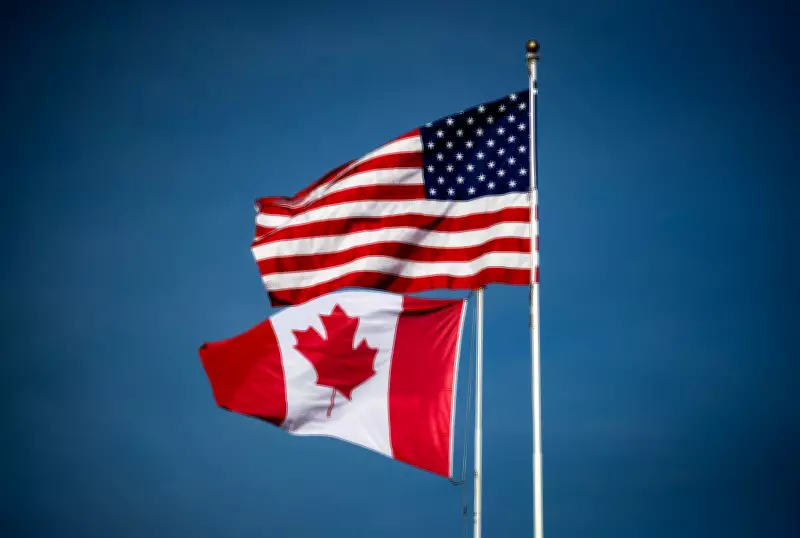
The survey results emerge amid ongoing discussions about trade relations and economic cooperation between Canada and the United States. Factors such as immigration policies, as highlighted by a recent B.C. First Nation travel advisory due to U.S. crackdowns, and logistical issues, like emergency barge services for islands affected by vessel strikes, add layers of complexity to cross-border business operations.
Insights from Industry Experts
Analysts suggest that small businesses are adapting to a rapidly changing landscape, where uncertainties in global trade and domestic policies compel strategic retrenchment. This survey serves as a critical barometer for understanding how local enterprises are responding to these challenges and what it means for future economic planning in British Columbia.