A startling new survey from the Business Improvement Association of British Columbia (BIA BC) has quantified a pervasive and costly problem: property crime against businesses is rampant, yet a significant portion of incidents are going unreported to police.
Survey Reveals a Staggering Gap in Reporting
The survey, conducted in November 2025 with 260 businesses, found that nearly nine out of ten respondents had been subject to property crime in the past year. However, the data reveals a critical disconnect, as 40 per cent of those victimized chose not to report the crimes to authorities.
Business owners cited a deep-seated frustration with the system as the primary reason for their silence. Key factors included perceived long police response times, a lack of follow-up on reports, low confidence that incidents would be resolved, and a general belief that reporting does not lead to meaningful outcomes.

"We know anecdotally, these issues exist across the province, but we needed actual data to prove it," said Jeremy Heighton, President of BIA BC. He noted the results were higher than anticipated, with 90 per cent of respondents identifying non-violent repeat offenders as a major problem.
A "Constant, Daily Pressure" on Businesses
Heighton described the survey results as evidence of an unrelenting burden on the province's commercial sector. "The reality for many B.C. businesses is that non-violent repeat crime is a constant, daily pressure," he stated.
The financial toll is immense. In a separate survey conducted by the Downtown Prince George BIA in September, 55 businesses reported estimated losses totalling $4.5 million. This figure included catastrophic damage from a $2 million restaurant and distillery destroyed by arson. The owner of that business told city council he wished to rebuild, but not in the downtown core due to ongoing crime issues.
While such dramatic cases make headlines, the day-to-day reality is often more mundane yet persistently expensive. Broken windows were cited as the most common issue by members in Prince George. "There are several businesses downtown that do not qualify for glass break insurance anymore just due to the sheer volume of broken windows," reported Chrisie Berry, Executive Director of the Downtown Prince George BIA.
Real-World Consequences and a Troubling Signal
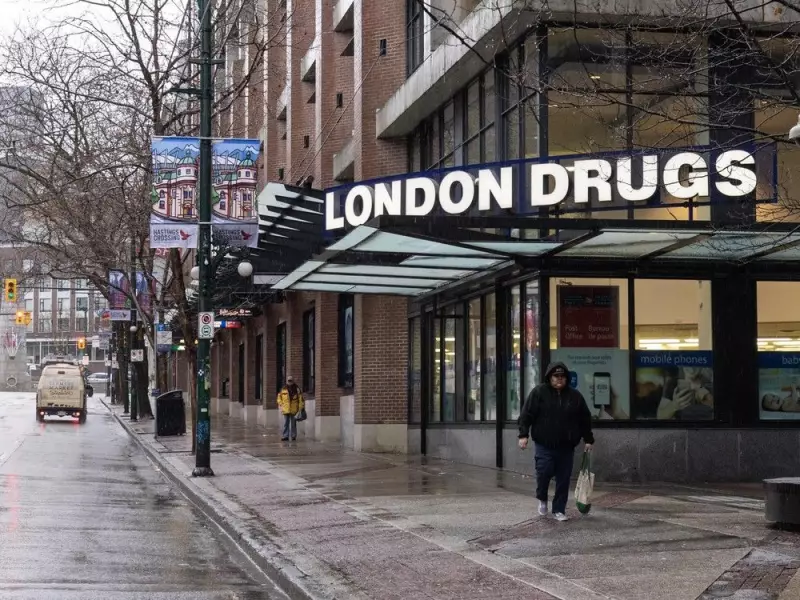
The survey's release came just days after a high-profile example of the issue's impact. London Drugs announced the closure of its store in Vancouver's Woodward's Building in the Downtown Eastside, citing persistent crime and safety challenges. This exit underscores how chronic property crime can directly lead to business closures and a reduction in vital services for communities.
The findings highlight a significant gap between official crime statistics and the lived experience of business owners. As noted in the Prince George example, while official property crime statistics may show a decline, the survey data suggests many incidents are simply vanishing from the official record, masking the true scale of the problem.
The BIA BC survey is non-representative, and no margin of error can be calculated, but it provides a powerful snapshot of the challenges facing businesses across the province. It points to a systemic issue where business owners feel abandoned by the reporting process, absorbing millions in losses while perpetrators face little consequence, creating a cycle that erodes the vitality of commercial districts.