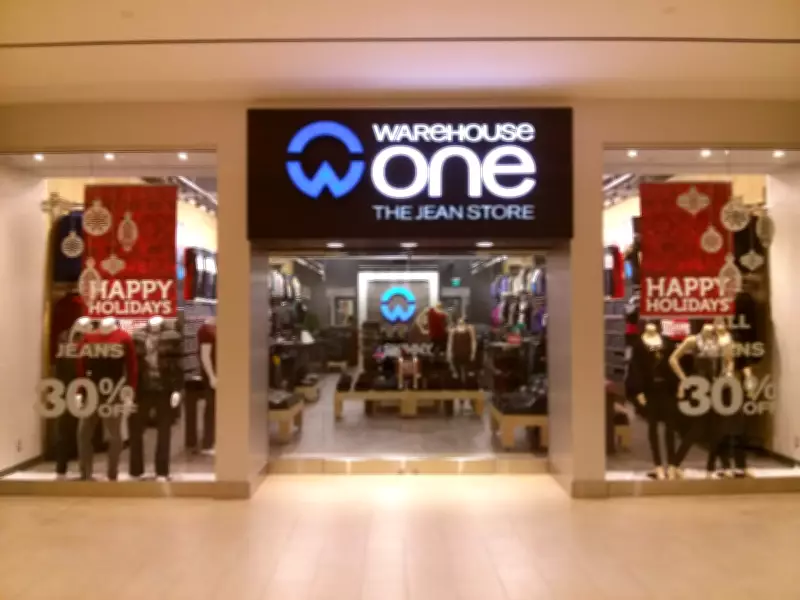
Warehouse One, a Canadian clothing retailer, has announced plans to liquidate all 128 of its stores across the country. The decision marks a significant shift in the retail landscape, as the company cited ongoing financial pressures and changing consumer behaviors as key factors behind the move.
Background and Impact
The liquidation process will affect thousands of employees and reshape shopping options in many communities. Warehouse One, known for its affordable fashion, has been a staple in Canadian malls and shopping centers for decades. The company's decision to close all locations comes after years of declining foot traffic and increased competition from online retailers.
Reasons for Closure
Industry analysts point to several factors contributing to Warehouse One's downfall. The rise of e-commerce giants like Amazon has dramatically altered consumer expectations, while the COVID-19 pandemic accelerated the shift toward online shopping. Additionally, rising operational costs and changing fashion trends have made it difficult for traditional brick-and-mortar retailers to compete.

In a statement, Warehouse One management expressed gratitude to their loyal customers and dedicated staff. The company will work with liquidators to ensure a smooth transition and will provide support to affected employees during this challenging time.
What's Next for the Retail Sector
The closure of Warehouse One is part of a broader trend affecting Canadian retail. Other chains have also announced store closures or restructuring efforts as they adapt to the new retail environment. Experts predict that the retail landscape will continue to evolve, with a greater emphasis on omnichannel strategies and personalized shopping experiences.
For consumers, the liquidation sales offer an opportunity to purchase merchandise at discounted prices. However, the loss of Warehouse One will leave a void in many communities, particularly in smaller towns where the retailer was a key shopping destination.