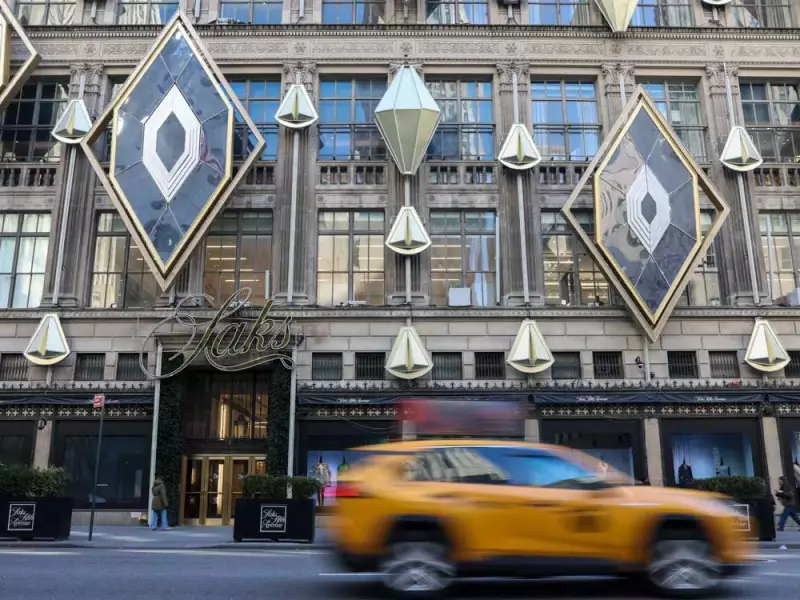
The parent company of iconic luxury retailer Saks Fifth Avenue has sought court protection from its creditors. Saks Global filed for Chapter 11 bankruptcy on Wednesday, January 14, 2026, in the Southern District of Texas, a move that underscores the severe pressures facing the high-end retail sector.
A Deal That Weighed Heavily
The conglomerate's financial troubles intensified after its major strategic acquisition. In 2024, Saks purchased its rival, Neiman Marcus, for $2.7 billion. The goal was to consolidate market share and better compete with other large players like Nordstrom and Bloomingdale's.
However, the timing proved disastrous. The deal loaded Saks with significant new debt just as the post-pandemic boom in luxury spending began to wane. "The cash flow from retail goes to paying off the debt, as opposed to investing in product, paying your vendors, hiring better sales associates, and running your business," explained Marie Driscoll, a retail advisor and professor at the New School, in an interview with MarketWatch.com.

Financing and Immediate Operations
Upon filing, Saks Global announced it had secured roughly $1.75 billion in financing to support operations during the restructuring process. This includes $1.5 billion from existing creditors and another $240 million in new liquidity from lenders.
The company stated that, for now, its stores will remain open. This includes approximately 33 Saks Fifth Avenue stores, 36 Neiman Marcus locations, two Bergdorf Goodman stores, and about 70 Saks Off 5th discount outlets. The company has committed to paying its employees and suppliers during the proceedings, though retail analysts warn store closures could be a eventual outcome of the restructuring.
Vendor Anxiety and a Shrinking Market
The bankruptcy filing has sent shockwaves through the supply chain, leaving vendors deeply concerned. Gary Wassner, CEO of Hilldun Corp., a firm that ensures suppliers get paid, said his clients are "very nervous" about spring merchandise already produced for Saks.
Wassner revealed that Saks Global represented 40% to 50% of the business for some of his clients. He advised them to halt shipments last month due to the uncertainty. Currently, his clients hold $130 million in spring orders destined for Saks but are seeking payment guarantees before sending the goods.
The struggles at Saks reflect a broader downturn in the luxury sector. A November study by Bain & Co. consultancy predicted that global sales of luxury goods will contract for the second consecutive year in 2026, as consumer anxiety about the economy curbs discretionary spending. This trend has already claimed other retail victims, including Canada's historic Hudson's Bay Company, which began liquidating all but six of its stores in March 2025.
The bankruptcy process will determine the future shape of one of North America's most prominent luxury retail groups, as it attempts to shed debt and adapt to a rapidly changing market.