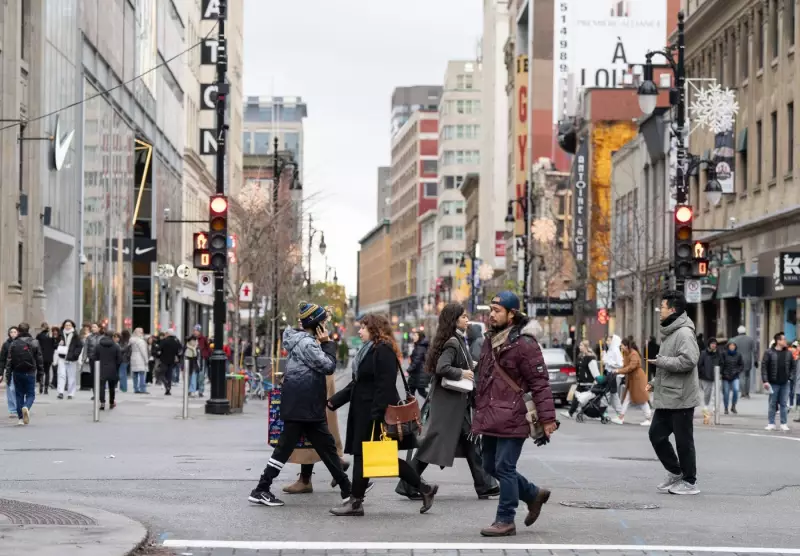
The Canadian retail landscape is poised for a significant transformation in 2026, driven by two powerful forces: heightened consumer caution and an unwavering demand for convenience. This outlook comes from Jessica Ramírez, co-founder and managing director at the consultancy firm The Consumer Collective, who shared her analysis in a recent interview with BNN Bloomberg.
A Shift in Consumer Mindset
Ramírez indicates that the coming year will see shoppers becoming more deliberate and value-conscious in their spending. Economic uncertainties and persistent inflation are leading Canadians to scrutinize purchases more closely, prioritizing essential goods and seeking out durable value over impulse buys. This cautious approach means retailers will need to work harder to demonstrate the tangible worth of their products and services.
This trend towards frugality does not, however, mean a rejection of innovation or quality. Instead, consumers are expected to gravitate towards brands that offer transparency, reliability, and products built to last. The concept of "value" is expanding beyond just low price to encompass product longevity, ethical sourcing, and overall customer experience.

The Unstoppable Demand for Convenience
Parallel to this cautious spending is a continued, and even growing, expectation for seamless and frictionless shopping experiences. Convenience remains a non-negotiable for many Canadian consumers. Ramírez's analysis suggests that retailers who excel in streamlining the purchase journey—whether through efficient e-commerce platforms, flexible fulfillment options like buy-online-pickup-in-store (BOPIS), or simplified returns—will hold a distinct competitive advantage.
The integration of technology to save time and effort will be paramount. Consumers have grown accustomed to the ease of digital transactions and expect this level of service to be standard across all retail touchpoints, from grocery to luxury goods.
Implications for Retailers and the Market
The convergence of these two trends—caution and convenience—creates a complex but clear roadmap for businesses. Success in 2026 will likely belong to retailers who can master the balance: offering perceived and real value while removing any unnecessary hurdles from the shopping process.
This evolving behaviour will influence everything from marketing messages to supply chain logistics. Promotions may focus more on cost-per-use or long-term savings. Operational investments will likely flow into technologies that enhance both the backend efficiency and the front-end customer interface. Retailers who fail to adapt to this dual demand may find themselves struggling to retain their customer base.
As Jessica Ramírez outlined on January 02, 2026, understanding this nuanced shift in the Canadian consumer psyche is critical for any business looking to thrive in the upcoming year. The retailers that listen and adapt to these twin pillars of caution and convenience will be best positioned to navigate the challenges and opportunities of the 2026 market.