

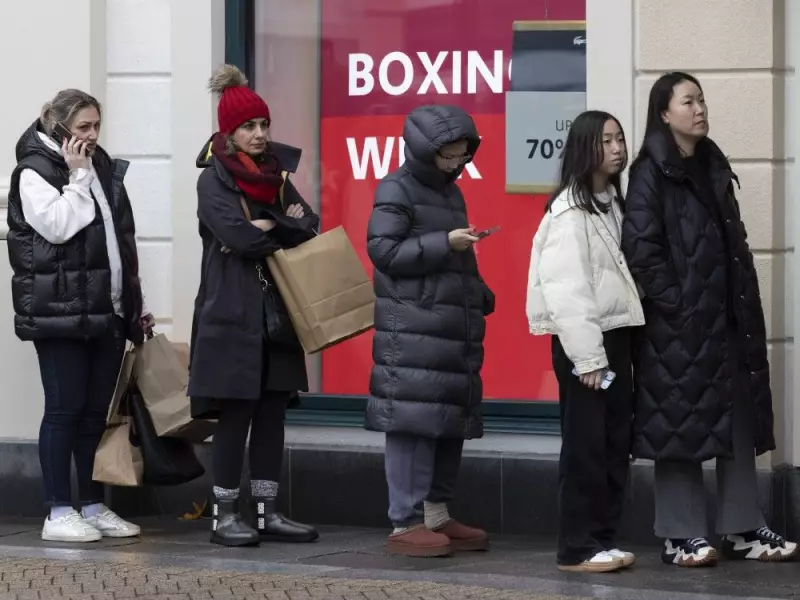
Boxing Day remains a powerful force in the Canadian retail landscape, with millions of shoppers planning to hunt for deals despite the growing popularity of Black Friday and Cyber Monday. New consumer research indicates the traditional December 26th sales event continues to hold significant sway, attracting a specific and intentional demographic of spenders.
Who is Shopping on Boxing Day?
According to data from Toronto-based consumer research firm Vividata, approximately 8.6 million shoppers are expected to participate in Boxing Day sales this year. The firm's Study of the Canadian Consumer, which surveyed over 75,000 respondents nationwide, paints a clear picture of who is most likely to venture out.
The data shows that the most active shoppers during the week of Boxing Day are typically Canadians aged 35 to 49. Those between 25 and 34 are also more likely than the national average to shop. Interestingly, the study notes that younger consumers are increasingly making their holiday purchases earlier in the season.

Participation is notably stronger among more affluent households. There was a year-over-year increase in shopping intent from households earning between $100,000 and $150,000. Pat Pellegrini, president and CEO of Vividata, summarized the trend: "Boxing Day still matters, just not in the way people expect. Black Friday tends to reward impulse buys, while Boxing Day is increasingly about planned purchases. Canadians are waiting, researching, and showing up with purpose."
Regional Shopping Trends Across Canada
The enthusiasm for Boxing Day sales varies significantly across the country, revealing distinct regional shopping behaviours.
Ontario accounts for roughly 40% of all Boxing Week shoppers in Canada. Within the province, Toronto shoppers represent one in five of those planning to indulge in the mall and online frenzy.
The most engaged market, however, is British Columbia. Residents of Vancouver are 33% more likely than the average Canadian to shop at year's end. Overall, British Columbians are 26% more likely than the national average to seek out Boxing Week deals.
In contrast, Quebec remains less attached to the post-Christmas sales tradition. Data indicates that residents of the province are less likely than the national average to seek out a special purchase on Boxing Day.
The Evolving Nature of Post-Christmas Spending
The study highlights a fundamental shift in how Canadians approach Boxing Day compared to other major sales events. Pellegrini draws a clear distinction: "While Black Friday has become increasingly American in tone and timing, Boxing Day continues to reflect Canadian shopping behaviour. It's more measured, more intentional, and more closely tied to how households actually plan their spending."
The items purchased during Boxing Day sales lean toward practical needs rather than luxury splurges. Shoppers are primarily looking for apparel and household goods. Furthermore, modern consumers are heavily influenced in their decisions by online reviews, social media, and influencers. More than one-third of respondents reported increasing their online shopping frequency over the past year.
This data confirms that while the retail calendar has expanded, Boxing Day retains a unique and calculated place in the Canadian consumer's mind, serving as a key period for deliberate, researched purchases to end the year.






