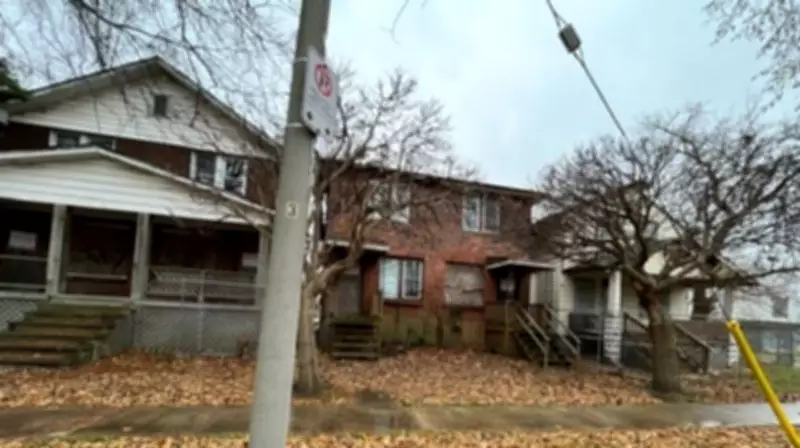
Windsor Implements Higher Vacant Home Tax, Additional Increases Possible
The City of Windsor has officially announced an increase to its vacant home tax, marking a significant policy shift aimed at addressing housing concerns within the municipality. This adjustment represents a proactive measure by local government to encourage property occupancy and generate additional revenue for community initiatives.
Details of the Tax Increase
Municipal officials confirmed the vacant home tax will rise substantially, though specific percentage figures remain under final review. The increase follows extensive consultation with housing experts, community stakeholders, and economic analysts who have highlighted the growing challenge of underutilized residential properties in Windsor neighborhoods.
This tax adjustment forms part of a broader municipal strategy to combat housing shortages while simultaneously funding infrastructure improvements and social programs. Property owners with vacant dwellings will face higher financial obligations, creating economic incentives to either occupy or rent out their residential units.

Potential for Future Adjustments
City representatives have indicated that additional vacant home tax increases remain under active consideration. "This initial adjustment represents just one phase of our comprehensive approach to housing policy," explained a municipal spokesperson. "We're continuously evaluating market conditions and community needs to determine appropriate future measures."
The possibility of further taxation changes reflects Windsor's commitment to adaptive governance in response to evolving real estate dynamics. Municipal analysts suggest that subsequent increases would likely be implemented gradually, allowing property owners reasonable adjustment periods while maintaining the policy's effectiveness.
Context and Implementation
Windsor's vacant home tax initiative aligns with similar measures adopted by other Canadian municipalities facing housing challenges. The policy specifically targets:
- Properties remaining unoccupied for extended periods
- Residential units kept vacant despite rental market demand
- Dwellings contributing to neighborhood deterioration
Implementation will involve enhanced property monitoring systems and streamlined reporting mechanisms for homeowners. Municipal staff emphasize that the revised taxation framework includes provisions for legitimate exemptions, such as properties undergoing renovations or those with owners experiencing temporary medical absences.
The increased revenue generated through this taxation adjustment will be allocated to affordable housing initiatives, neighborhood revitalization projects, and municipal services benefiting Windsor residents. This financial redistribution represents a key component of the policy's community-oriented design.
As Windsor moves forward with these taxation changes, municipal officials encourage property owners to review their occupancy status and explore options for maximizing residential utilization. The city plans to provide comprehensive guidance materials and support services to assist homeowners in navigating the revised regulatory landscape.