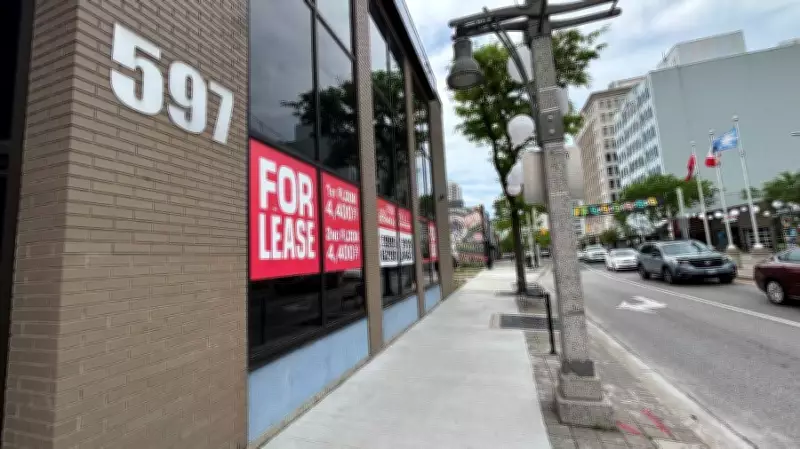
A recent report from CBRE Group has revealed that downtown Windsor now holds the highest office vacancy rate among Canadian cities, while suburban areas are experiencing a notable improvement. The report, released on May 29, 2026, highlights a stark contrast between the struggling urban core and the recovering periphery.
Downtown Vacancy Soars
According to CBRE, the downtown Windsor office vacancy rate has climbed to 38%, the highest in the nation. This figure surpasses other major cities, including Calgary and Edmonton, which have historically struggled with high vacancies due to oil price fluctuations. The downtown area has been particularly affected by the shift to remote work and the closure of several large corporate offices.
Factors Behind the Decline
Several factors have contributed to this trend. The COVID-19 pandemic accelerated the adoption of hybrid work models, reducing demand for traditional office space. Additionally, downtown Windsor faces challenges such as aging infrastructure and a lack of modern amenities compared to newer suburban developments. The report notes that many businesses have relocated to newer, more flexible spaces in the suburbs.

Suburban Market Shows Resilience
In contrast, the suburban office market in Windsor is faring much better. The vacancy rate in suburban areas has dropped to 12%, a significant improvement from previous years. This decline is driven by increased demand for smaller, more affordable spaces, particularly in mixed-use developments that combine office, retail, and residential components.
Positive Signs for Suburbs
The suburban market has benefited from lower lease rates and better accessibility for employees who prefer shorter commutes. CBRE analysts point to the growth of tech startups and service-based businesses that are choosing suburban locations for their cost-effectiveness and convenience. The report also highlights several new office projects in the suburbs that are attracting tenants.
Implications for Windsor's Economy
The dual trends in Windsor's office market reflect broader economic shifts. While the downtown vacancy is concerning, the suburban improvement suggests that the region is adapting to new work patterns. Local policymakers are being urged to consider strategies to revitalize the downtown core, such as converting vacant offices into residential units or mixed-use spaces.
CBRE's report concludes that the future of Windsor's office market will depend on how effectively the city can repurpose its downtown assets while capitalizing on suburban growth. For now, the data paints a picture of a market in transition, with opportunities emerging on the outskirts even as the center struggles.