Windsor Council Unanimously Approves 2026 Budget with Property Tax Freeze
In a unanimous decision described as extremely challenging, Windsor City Council has approved a comprehensive 2026 budget that implements a municipal property tax freeze for residents. The budget comes at a time when economic pressures and cross-border trade uncertainties are creating significant affordability concerns throughout the community.
Addressing Affordability in Challenging Times
Mayor Drew Dilkens emphasized that affordability remains a central issue for Windsor residents, particularly given the ongoing economic challenges. Following more than five hours of public and closed-door meetings, the mayor explained council's commitment to making the city as affordable as possible during these difficult times.
We see the continued attack by Donald Trump across the border, saying 100 per cent tariffs on all Canadian goods, Mayor Dilkens told reporters. Who knows what's going to happen with CUSMA negotiations? Council was committed and aligned to say we're going to make it as affordable as we can on the city side for 2026 to help our community get through.

Budget Details and Financial Adjustments
The 2026 municipal property tax levy totals nearly $505 million, with several key adjustments made during the budget process:
- Using budget savings from undisclosed in-camera items to fully fund agencies, boards, and committees including Invest WindsorEssex to the tune of $294,072
- Increasing recreational user fees for swimming, ice rinks, and ball diamonds by approximately three percent instead of the originally proposed increases as high as eight percent
- Raising Transit Windsor bus fares from $3.75 to $3.95 rather than the originally proposed $4 increase
- Reinstating Transit Windsor's Route 1000 for one year in response to concerns from parents of Vincent Massey Secondary School students
Infrastructure Investment and Financial Strategy
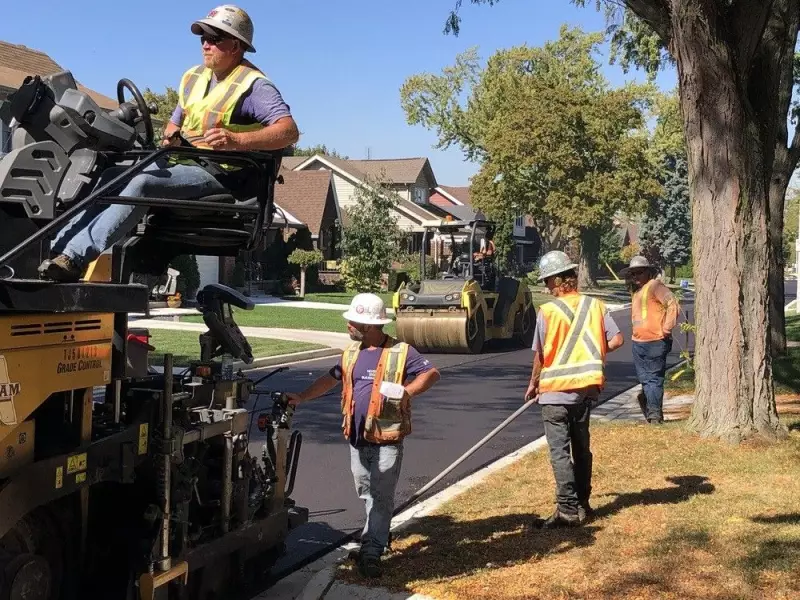
Despite the tax freeze, the budget includes what city officials describe as the largest road rehabilitation and repair program in Windsor's history. This significant infrastructure investment comes alongside careful financial management to balance competing priorities.
To offset the costs of the additional bus route and reduced revenue from user fees and bus fares, the city will transfer approximately $390,000 less than the originally proposed $2.4 million from its corporate contingency account to its budget stabilization reserve fund.
Economic Context and Future Challenges
City Treasurer and Commissioner of Finance Janice Guthrie described the 2026 budget process as extremely challenging, noting that cumulative inflation effects continue to drive up costs for both operating and capital budgets. The economic uncertainty created by potential cross-border trade disruptions adds another layer of complexity to municipal financial planning.
Mayor Dilkens acknowledged that while the budget solutions might represent half a loaf for some, council members recognized the importance of incremental progress. Council coalesced around the solution, he said. Even if it was a half a loaf for some, they realized it was movement, and that's what this is about. There are all sorts of incremental gains.
The budget approval follows previous announcements about job cuts and hiring adjustments that were initially kept from the mayor's budget proposal, highlighting the complex financial balancing act facing municipal leaders as they navigate economic uncertainty while maintaining essential services and infrastructure.