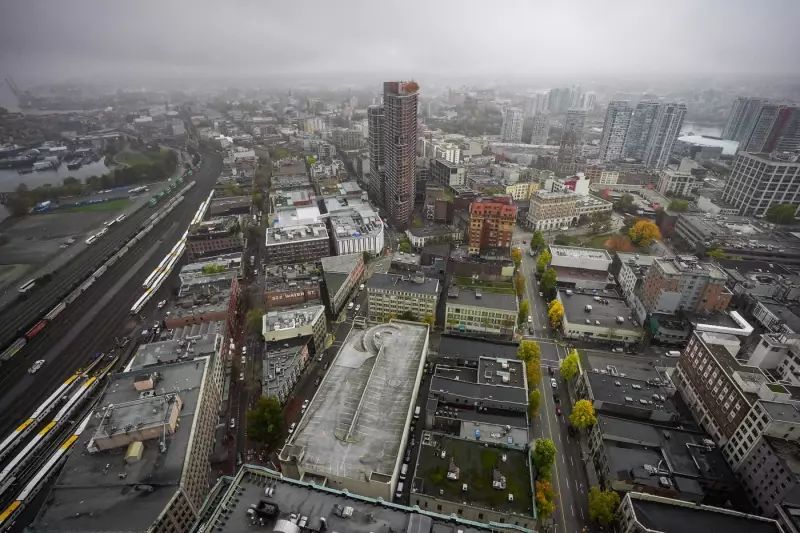
The City of Vancouver has officially presented a new housing strategy specifically for the Downtown Eastside, with a core focus on replacing the neighbourhood's aging and often substandard rooming houses. The plan, announced on December 17, 2025, aims to transform the housing landscape in one of Canada's most discussed urban communities.
A Shift from Rooming Houses to Secure Housing
This initiative marks a significant policy shift for the municipal government. For decades, single-room occupancy (SRO) hotels and rooming houses have provided the last resort of affordable housing for many low-income residents in the Downtown Eastside and adjacent Gastown area. However, these buildings are frequently criticized for poor living conditions, lack of security, and inadequate maintenance.
The new plan seeks to systematically phase out these outdated structures. In their place, the city intends to facilitate the construction of modern, self-contained housing units. The goal is to provide residents with not just a room, but a dignified, safe, and stable home that includes private bathrooms and kitchen facilities.

Details and Implementation of the Strategy
While the full financial model and construction timeline are still being finalized, the city has committed to a community-led approach. The strategy is expected to involve partnerships with non-profit housing providers, senior levels of government, and potentially private developers under strict affordability covenants.
Key to the plan is ensuring current residents are not displaced during the transition. The city has pledged to implement a "replacement first" model, meaning new units must be available before existing rooming houses are decommissioned. This is intended to prevent any net loss of low-income housing stock in a neighbourhood already under immense pressure.
Broader Context and Community Impact
The Downtown Eastside housing plan arrives amid a persistent affordability crisis in Vancouver and a growing recognition of the need for targeted, neighbourhood-specific solutions. The area has long been the epicentre of overlapping social challenges, including homelessness, addiction, and mental health issues, all exacerbated by inadequate housing.
Urban planners and housing advocates see this move as a critical step toward breaking the cycle of poverty linked to unstable housing. By providing secure, long-term homes, the city hopes to improve health outcomes, increase community safety, and offer residents a stronger foundation from which to access support services.
The announcement on December 17th sets the stage for further public consultation and detailed planning throughout 2026. The success of the ambitious plan will hinge on securing substantial funding and navigating the complex process of redevelopment in a densely populated, historically significant part of Vancouver.