Vancouver Quietly Upzones Hundreds of East Side Streets for High-Density Apartments
The City of Vancouver has implemented a sweeping rezoning initiative that will transform hundreds of quiet, residential side streets in East Vancouver, allowing for the construction of six- to eight-storey apartment blocks across an area larger than Stanley Park. This significant policy shift has raised serious questions about the city's community engagement strategies and the transparency of its planning processes.
Massive Rezoning Impacts Vast Residential Area
In a unanimous council decision on January 13, Vancouver officials approved the Rupert and Renfrew Station Area Plan, which upzones approximately 2,600 city lots spanning 6.6 square kilometers. The affected region extends from Boundary Road to Kamloops Avenue and Parker Avenue to 29th Street, encompassing 200 residential blocks that were previously dominated by single-detached homes, duplexes, and small multiplexes.
This represents the first time Vancouver has pre-zoned such an extensive area of non-arterial streets for mid-rise development, fundamentally altering the character of neighborhoods that currently feature boulevard trees, mountain views, and eight public schools.

Questionable Communication and Engagement
Many residents in the affected Rupert and Renfrew areas remain unaware that their neighborhoods have been designated for significant density increases. The city's promotional materials, featuring idyllic watercolor illustrations and redefining "low rise" to include six-storey buildings, bear little resemblance to the actual impacts of the council decision.
"This place is very wonderful and quiet," said Joseph Hui, a UBC student walking near Nootka Street and Second Avenue who was unaware of the upzoning. "I think it will change the views and neighbourliness and everything. It's better to keep it as it is."
Development Implications and Community Concerns
Under the new zoning regulations:
- Most existing dwellings can be demolished and replaced with six-storey condominium or rental buildings without site-specific rezoning
- Developers can construct eight-storey buildings if they include below-market units
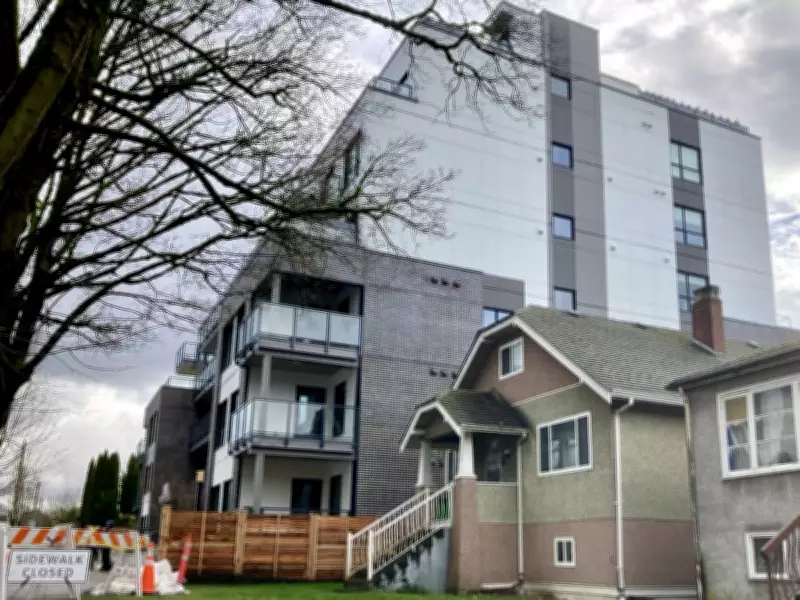
- Typical two-storey houses could find themselves adjacent to buildings three to four times taller
- The changes will likely increase traffic, parking challenges, and neighborhood congestion
East Vancouver resident Tara Marini points to the six-storey buildings already under construction on nearby Broadway as examples of what her neighborhood can expect. The transformation threatens to dwarf existing homes and fundamentally alter the character of these tranquil, leafy streets that currently provide residents with views of the North Shore mountains.
Redefining Urban Design Terminology
The city's approach has involved redefining standard urban design terminology. While six-storey buildings reaching 23 meters are conventionally classified as "mid-rise" structures, Vancouver's planning documents now categorize them as "low rise"—a designation typically reserved for buildings of four storeys or less. This linguistic shift has contributed to confusion among residents trying to understand the scale of proposed developments.
The Rupert and Renfrew Station Area Plan represents a dramatic departure from traditional Vancouver development patterns, where such density increases were typically limited to arterial roads. The plan's implementation without widespread community awareness has sparked concerns about democratic process and the future of neighborhood character in one of Vancouver's most established residential areas.