Vancouver Residents Call for Better Multi-Unit Building Design and Light Pollution Control
In a series of letters to the editor published in The Vancouver Sun, residents from Vancouver and Surrey have raised significant concerns about two pressing urban issues: the design of multi-unit housing developments and the growing problem of light pollution from agricultural facilities. These letters, dated February 3, 2026, highlight community frustrations with what they describe as architectural "monstrosities" and environmental disruptions that threaten both human well-being and local ecosystems.
Architectural Integration: A Missing Element in Housing Evolution
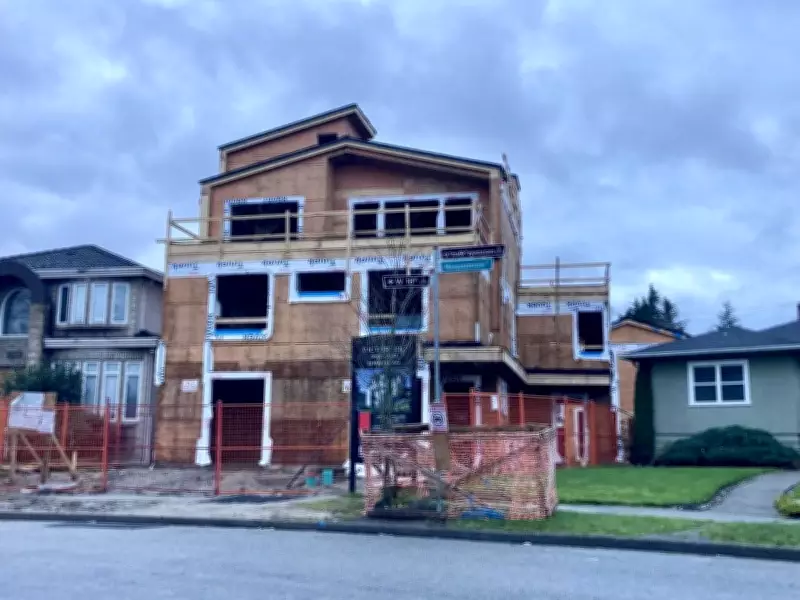
Scott MacEachern of Vancouver responded to recent coverage about the increasing prevalence of multi-unit buildings on single-family lots across British Columbia cities. While acknowledging the informative nature of the reporting, MacEachern pointed out that design considerations often seem absent from discussions about this contentious housing evolution.
"What often seems to be missing in the discussions about this contentious subject is the design of many of these structures," MacEachern wrote, referring specifically to buildings that community members have labeled as architectural eyesores.

The Vancouver resident suggested that developers could significantly reduce neighborhood complaints by making conscious efforts to ensure new multi-unit structures complement existing architectural styles. Simple design elements could make a substantial difference:
- Incorporating gabled roofs that match neighborhood aesthetics
- Adding window trim details that reflect local architectural traditions
- Avoiding the "stacked shoe box" designs that maximize floor space at the expense of visual appeal
MacEachern noted that some current designs make even the much-criticized Vancouver Special homes appear "like cute, cosy cottages" by comparison, emphasizing how far contemporary architecture has strayed from neighborhood integration principles.
Light Pollution: An Environmental and Quality-of-Life Concern
From Surrey, Sukhbir Kaur expressed deep concern about the increasing light pollution visible across the region at night, particularly from greenhouse operations. Kaur referenced recent media coverage that has documented the impact of artificial lighting on migrating birds and the intrusion of excessive illumination into the night sky over entire communities.
The environmental consequences of this light pollution are substantial and multifaceted:
- Disruption of circadian rhythms for both humans and wildlife, including birds, insects, and nocturnal species
- Navigation challenges for animals that rely on natural light-dark cycles for movement and survival
- Reproductive interference for species dependent on specific lighting conditions for breeding
- Habitat alteration extending well beyond greenhouse boundaries, contributing to ecological stress
"Excessive light at night can alter habitats well beyond greenhouse boundaries, contributing to ecological stress and biodiversity loss," Kaur warned. "Over time, the constant artificial lighting will make habitats unsuitable for many species, forcing wildlife to abandon the area in search of darker, less disturbed environments."
The Disappearing Night Sky and Community Responsibility
Beyond ecological concerns, Kaur highlighted how excessive skyglow is erasing natural night skies from the region's landscape. Many residents can no longer see stars that were once visible, diminishing both environmental values and quality-of-life aspects that make British Columbia's Lower Mainland special.
The Surrey resident called for greater accountability from greenhouse operators, insisting they must implement effective light management strategies:

- Installation of blackout curtains or other containment systems
- Implementation of lighting schedules that minimize environmental impact
- Adoption of directional lighting that doesn't spill beyond property boundaries
"We live in a uniquely beautiful part of the world," Kaur concluded, "and with that privilege comes a shared responsibility to protect and conserve this space for future generations."
Broader Implications for Urban Development
These letters reflect growing community awareness about how urban development decisions affect both human experience and environmental health. The concerns about architectural design speak to broader questions about how cities evolve visually, while the light pollution issue demonstrates how agricultural and industrial practices intersect with residential quality of life.
Both correspondents emphasize that solutions exist—whether through thoughtful architectural design that respects neighborhood character or through responsible lighting management that protects nocturnal environments. Their letters suggest that as British Columbia continues to develop housing solutions and agricultural operations, community input and environmental considerations must remain central to planning processes.
The publication of these perspectives in The Vancouver Sun indicates these issues have reached mainstream discourse, potentially influencing future policy discussions about urban planning, architectural standards, and environmental regulations in the region.