Proposed Vancouver Office Tower Threatens Historic Waterfront Station Views
Vancouver's iconic Waterfront Station faces renewed development pressure as Cadillac Fairview proposes a 22-storey office tower that would rise above the historic transit hub and adjacent parking lot. This marks the fourth attempt since 2014 to develop the site, with previous proposals rejected for being incompatible with the station's heritage character.
Prime Location with Development Challenges
The station, built in 1914, serves as British Columbia's busiest transit hub, connecting SkyTrain lines, major bus routes, West Coast Express, and SeaBus ferry services. Over 35,000 people pass through daily, with annual traffic exceeding 10 million. Its strategic location provides walking access to seaplanes, cruise ships, the Convention Centre, and downtown amenities.
"The site occupies some of Canada's most valuable waterfront real estate," note commentators Michael Alexander and Mary Pynenburg. "Currently owned by Cadillac Fairview, the real estate arm of the Ontario Teachers' Pension Plan, the property's development potential represents significant financial value."

Controversial Design and Zoning Issues
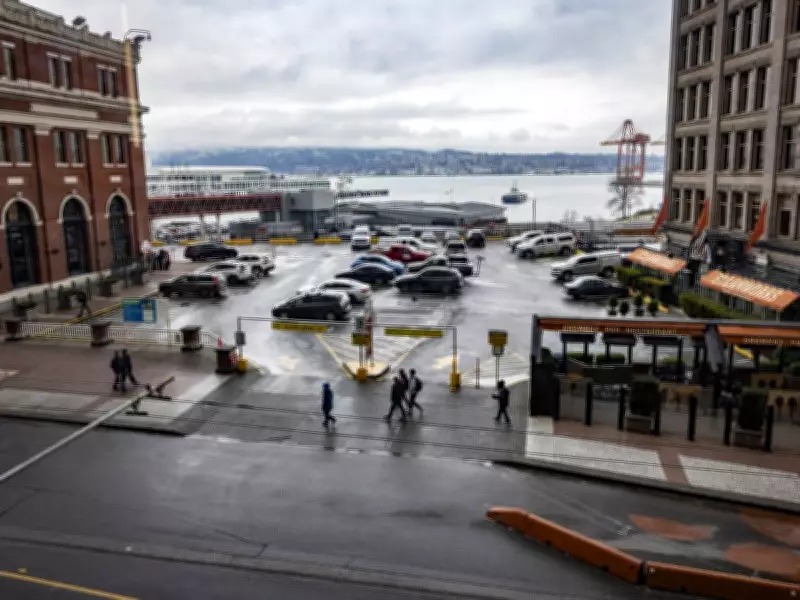
The proposed tower, dubbed "The Tree," draws inspiration from the site's historical Indigenous name, Grove of Maples. However, critics describe the design as resembling randomly stacked Lego blocks or a drill bit. The development would utilize zoning rights allowing construction above the station and on the eastern parking lot, which currently offers panoramic views of Burrard Inlet and the North Shore Mountains.
Vancouver's zoning regulations for the site have remained problematic for decades, prioritizing development potential over heritage protection. TransLink pays substantial rent for station operations, but Cadillac Fairview views office tower development as the property's primary revenue generator.
Broader Waterfront Planning Concerns
Development opponents argue that Vancouver should complete its long-discussed downtown waterfront revitalization plan before approving private projects that could compromise public opportunities. The envisioned plan would create continuous public spaces connecting eastern Vancouver through CRAB Park, past port facilities, to Stanley Park.
A potential compromise exists: The city and Cadillac Fairview could negotiate transferring development rights from Waterfront Station to other company properties downtown. This approach would preserve both the historic station's integrity and the developer's financial interests while allowing comprehensive waterfront planning to proceed.
The debate highlights ongoing tensions between heritage preservation, urban development, and public space creation in one of Vancouver's most strategically important locations.