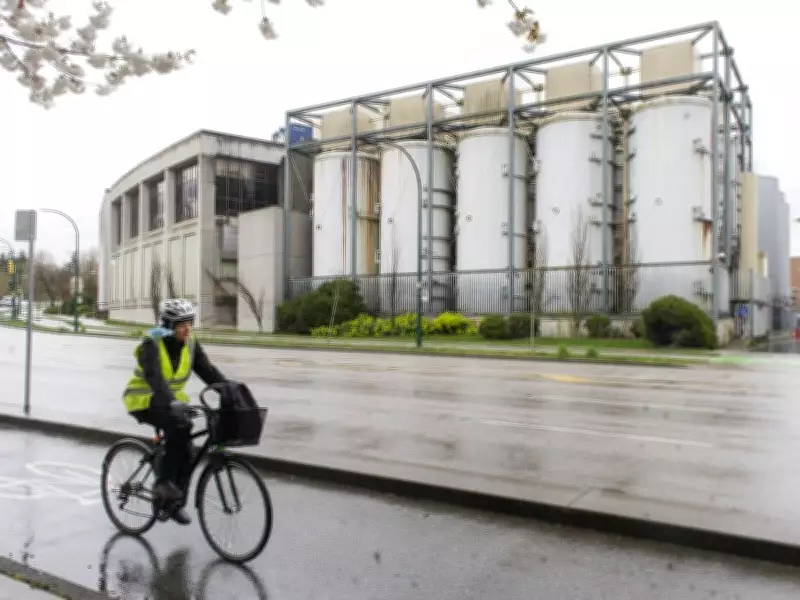
Vancouver city council is poised to deliberate on a significant urban development proposal that could pave the way for residential towers and commercial establishments on the historic Molson Brewery site adjacent to the Burrard Bridge. This initiative marks a potential transformation of a long-vacant industrial property into a vibrant mixed-use community hub.
Proposed Rezoning Process and Timeline
According to a staff report scheduled for presentation next Tuesday, the initial step involves council approval and enactment of the Vancouver Official Development Plan. This comprehensive plan, which outlines long-term land use and development policies for the city over the next three decades, is set for a public hearing commencing March 10.
Once the plan receives council endorsement, the city's general manager of planning will submit an application to amend the designation of the three-hectare brewery site. The proposed change would shift the land use classification from "industrial and employment" to "mixed-use highrise," enabling the construction of residential towers alongside business facilities.

Consultation Requirements and Next Steps
The city must engage in consultations with various stakeholders affected by the land use alteration, including First Nations communities, the British Columbia government, Metro Vancouver, and TransLink. Following these discussions, staff will prepare a report recommending that the proposed amendments to the Vancouver Official Development Plan be referred for consideration at a public hearing.
This report is expected to include guiding principles for the future rezoning of the site, which council could endorse. These principles will outline potential job space and housing accommodations on the property, along with other relevant planning parameters.
Broader Context of Industrial Site Reevaluation
The former Molson Brewery represents one of five industrial locations under consideration for rezoning to accommodate housing and diverse uses. The other sites include areas near Main Street and Terminal Avenue, the Railtown industrial district, the Marine Gateway industrial zone, and the Mount Pleasant industrial sector.
The staff report highlights the Molson site's unique characteristics, noting it is the only self-contained property among the five identified areas and is not contiguous with other industrial lands. Due to this exceptional status, staff believe this distinctive site should not await further planning alongside the other areas before seeking land use re-designation in the Metro 2050 Regional Growth Strategy.
Historical Significance and Transformation
The original brewery opened in 1953 when False Creek functioned as an industrial zone connected by a now-decommissioned railway line. At its peak, the facility employed approximately 250 people before relocating operations to Chilliwack in 2019, leaving the property unused since that time.
Over the past seventy years, the surrounding neighborhood has evolved dramatically into a mixed-use environment featuring residential developments to the east, light industrial and creative employment spaces to the south and east, additional residential areas to the west, and parkland to the north. The proposed redevelopment would continue this transformation, integrating the historic site into Vancouver's evolving urban fabric.
The land parcel and existing structures are owned by Concord Pacific, adding another layer to the potential redevelopment narrative as the city balances historical preservation with contemporary housing needs and urban growth objectives.