Vancouver Council Defies Staff Advice to Approve Residential Tower on Industrial Land
In a significant departure from standard municipal procedure, Vancouver city council has made the rare decision to override the recommendations of its own professional planning staff. This week, council unanimously approved a developer's proposal to construct a 25-storey residential tower on property currently zoned for industrial use, sparking debate about the future of Vancouver's limited industrial lands.
Planning Experts Express Alarm Over Industrial Land Conversion
For urban planning specialists monitoring Vancouver's development landscape, this decision represents a concerning validation of fears that have been growing since last summer. At that time, council directed staff to explore the possibility of allowing residential development within certain industrial zones across the city. The approval of Strand Development's mixed-use project at 320 West 2nd Avenue in Mount Pleasant's industrial area has brought those theoretical discussions into concrete reality.
City planning staff had explicitly recommended against approval, noting that residential use remains prohibited on the site and that "the inclusion of housing is incompatible with the goal of preserving industrial and employment land in the city." Their concerns centered on the potential economic impacts of allowing residential encroachment into areas traditionally reserved for industrial activities.

The Stark Statistics of Vancouver's Land Allocation
The staff report presented to council revealed striking statistics about Vancouver's current land distribution. Approximately 90 percent of Vancouver's land base is already zoned for residential purposes, while a mere six percent remains designated for industrial use. This imbalance highlights the scarcity of industrial land within city boundaries and underscores why planning professionals have advocated for its preservation.
Despite these concerns, council members acknowledged the changing nature of industry and expressed the need for a more modernized approach to land use. While some councillors admitted struggling with the decision, the final vote was unanimous, reflecting a collective willingness to reconsider traditional zoning boundaries.
Developer's Journey From Industrial to Mixed-Use Project
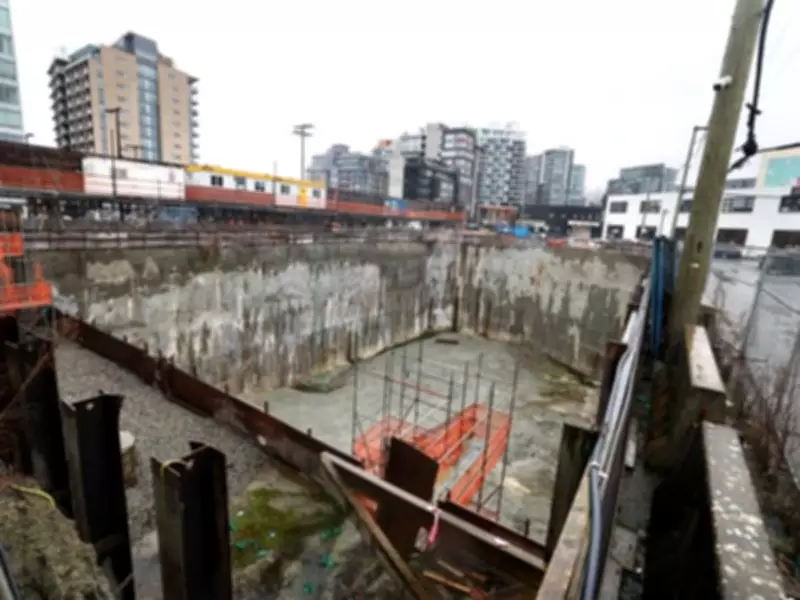
Strand Development's path to this approval has been anything but straightforward. The company originally obtained a building permit in 2021 for an industrial office building on the West 2nd Avenue site and began excavation work in 2023. However, according to Strand CEO Mike Mackay, the post-COVID-19 office market collapse left the project without interested tenants.
"It was absolutely crickets," Mackay told Postmedia. "So we went back to the drawing board."
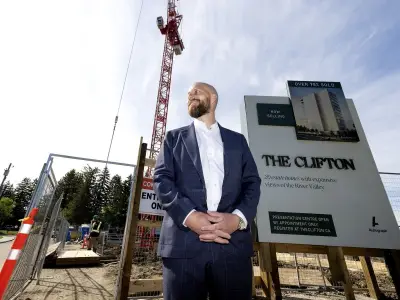
The company returned in 2024 with a revised application for a mixed-use development featuring a 25-storey tower with a six-storey podium. The lower three levels would be reserved for industrial purposes, while the upper floors would contain 200 market rental homes. Mackay noted that the property's location—a short walk from rapid transit and across from existing residential towers—made it suitable for residential conversion.
Political Context and Future Implications
This approval follows a motion introduced last July by ABC Vancouver Mayor Ken Sim, which was supported unanimously by council. That motion directed city staff to explore ways to "intensify" and potentially add residential development to five industrial zones around Vancouver, including the Mount Pleasant area where Strand's property is situated.
The decision represents a significant shift in how Vancouver approaches its limited industrial lands and may set a precedent for future developments. As the city continues to grapple with housing shortages and economic transformation, the tension between preserving industrial employment lands and addressing residential needs will likely remain a central planning challenge for years to come.