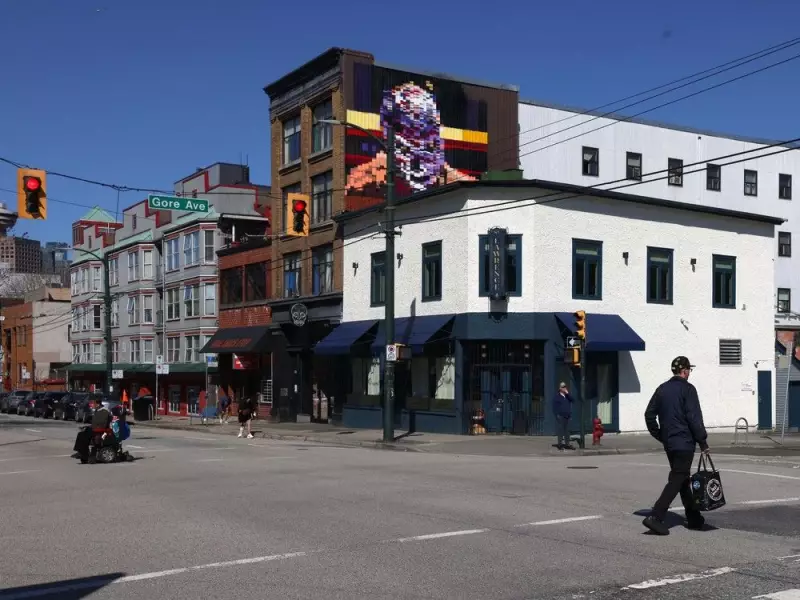
Vancouver City Council has given its backing to a contentious new housing strategy for the Downtown Eastside, a decision that will permit the construction of towers reaching up to 32 storeys and simultaneously reduce the required proportion of deeply affordable units.
Marathon Session Leads to Party-Line Vote
Following a lengthy meeting that saw hundreds of residents voice opposition, council members voted along party lines to support the Downtown Eastside Housing Implementation plan. The vote, held on December 17, 2025, endorses a staff proposal aimed at revitalizing housing delivery in one of the city's most challenging neighbourhoods.
The core of the plan involves significant amendments to existing zoning regulations. It will now allow for social housing buildings as tall as 100 metres in specific areas. A key and controversial change is the reduction in the mandate for shelter-rate housing. Previously, new government or charity social housing projects were required to designate 33 per cent of rental units at the shelter component of income assistance. The new plan lowers that requirement to 20 per cent.

Financial Viability Cited as Key Driver for Changes
City staff defended the sweeping changes by pointing to a lack of development under the old rules. A report stated that since the original zoning was enacted in 2014, only two buildings had been constructed, despite significant government support. "Under the current economic environment, the original inclusionary requirement... is not financially viable," the city's report concluded.
The plan also dramatically alters the rules for mixed rental developments in the area. The requirement for social housing within any new mixed rental project will drop from 60 per cent to 20 per cent, with those affordable units to be managed by a charitable organization.
Vancouver Mayor Ken Sim framed the decision as a necessary modernization. Following the vote, he stated the changes would update "outdated rules that previously limited the city’s ability to address deteriorating housing conditions in one of Vancouver’s most complex neighbourhoods." He argued that maintaining the status quo would guarantee no improvement for residents.
Additional Impacts on Heritage and Views
Beyond height and affordability, the approved plan introduces other significant shifts for the Downtown Eastside. It will allow new developments to block more views than previously permitted and eases restrictions on building on sites with heritage structures.
Furthermore, the plan modifies regulations surrounding the neighbourhood's single-room occupancy (SRO) hotels. It loosens rules for replacing these hotels and simultaneously strengthens protections for tenants who are displaced when an SRO building is demolished.
The council's decision represents a pivotal moment for the future of the Downtown Eastside, prioritizing an increase in overall housing supply through private-non-profit partnerships, even as it reduces guarantees for the deepest level of affordability that was previously required.