Toronto's Vacant Home Tax Under Fire as Real Estate Market Hits Record Lows
In the midst of a historically sluggish real estate market, the effectiveness of Toronto's vacant home tax is being called into question by analysts and industry observers. The tax, implemented to increase housing supply by discouraging property owners from leaving units empty, appears to be facing significant challenges as sales activity plummets to unprecedented levels.
Market Stagnation Raises Doubts About Policy Impact
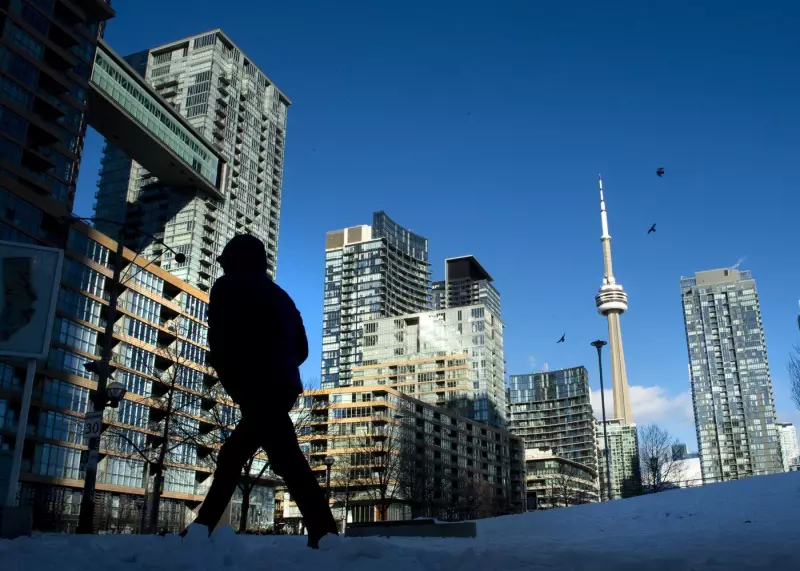
The Toronto real estate landscape has transformed dramatically in recent months, with record-low transaction volumes and extended listing periods becoming the new normal. This market paralysis has prompted experts to examine whether the vacant home tax is achieving its intended objectives or merely adding another layer of complexity to an already strained housing ecosystem.
Real estate professionals report that while the tax was designed to incentivize property owners to either occupy or rent their vacant units, the current market conditions may be undermining its effectiveness. With buyer demand at historic lows and inventory accumulating, the financial pressure created by the tax might not be sufficient to change owner behavior in meaningful ways.

Complex Implementation Challenges Emerge
The administration of Toronto's vacant home tax has revealed several practical difficulties that could be limiting its success. Property identification, exemption verification, and compliance monitoring have proven to be resource-intensive processes for municipal authorities. These operational challenges come at a time when the city's housing department is already managing multiple crises in affordability and availability.
Urban policy analysts suggest that the tax's impact may be further diluted by broader economic factors, including rising interest rates, inflationary pressures, and shifting migration patterns that have altered Toronto's demographic landscape since the policy was first conceived.
Comparative Analysis with Other Municipal Approaches
Toronto's experience with vacant property taxation differs from other Canadian cities that have implemented similar measures. Vancouver's empty homes tax, for instance, was introduced during a period of intense market activity and soaring prices, creating different economic dynamics and compliance incentives.
The current Toronto market conditions present unique challenges:
- Record-low sales volumes across all property types
- Increasing inventory of unsold properties
- Extended average days on market for listings
- Declining property values in certain segments
Future Policy Considerations and Adjustments
As Toronto continues to grapple with both housing affordability and market stagnation, policymakers may need to reconsider the vacant home tax's structure and implementation. Potential adjustments could include:
- Revised exemption criteria for legitimate cases of temporary vacancy
- Graduated tax rates based on property value or location
- Enhanced support programs to help owners convert vacant units to rental housing
- Better integration with other housing initiatives and development policies
The ongoing evaluation of Toronto's vacant home tax comes at a critical juncture for the city's housing strategy. With market fundamentals showing little sign of immediate improvement, the pressure mounts on municipal authorities to demonstrate that this policy tool can deliver tangible results despite challenging economic conditions.