Navigating Street Parking Rights After Shovelling Snow in Toronto
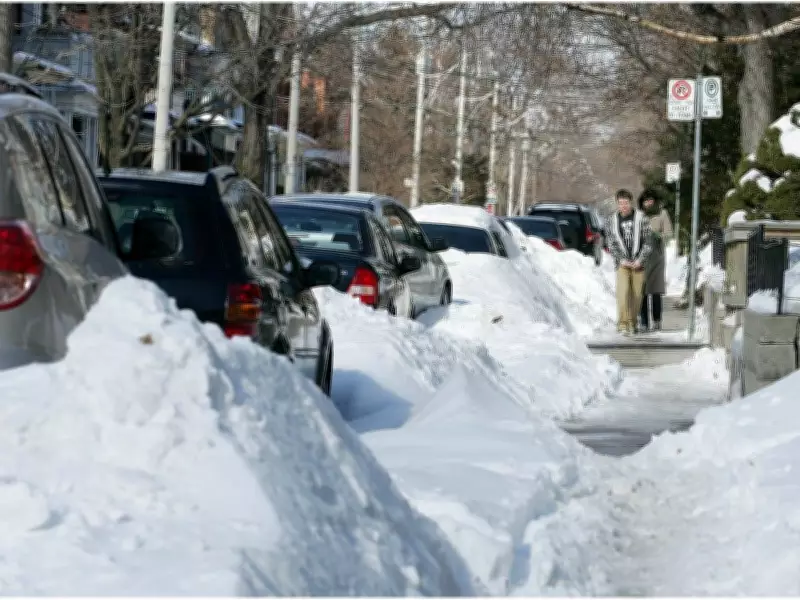
Toronto residents emerging from homes surrounded by significant snowfall following a record-breaking 56-centimetre accumulation face a common winter dilemma. The question of whether one can claim a street parking spot after shovelling it out creates both ethical and legal considerations that require careful examination.
Legal Perspective on Shovelled Parking Spaces
According to legal experts, clearing snow from a public street parking space does not grant exclusive rights to that spot. Laya Witty, a litigation lawyer with Singer Kwitner, emphasizes that public streets remain shared resources regardless of individual effort expended during snow removal. This principle is reinforced by Toronto police Constable Cindy Chung, who confirms that municipal law treats all public streets as communal assets.
Witty offers practical advice for residents considering marking cleared spaces with objects: "Leaving an item to reserve a parking spot effectively constitutes littering under the city's street use bylaw." Such objects are classified as unauthorized items that garbage collectors will treat as trash, potentially resulting in fines for the person who placed them.

Neighbourhood Etiquette and Social Expectations
While the legal framework is clear, neighbourhood dynamics introduce additional complexity. Witty acknowledges that some communities develop informal systems where residents respect cleared spaces, particularly in areas with limited parking availability. She recalls from her Boston experience that temporary "space-savers" like milk crates or lawn chairs were commonly accepted for up to 48 hours after significant snowfall.
Constable Chung notes that Toronto neighbourhoods may establish their own unwritten rules regarding shovelled parking spots. "There exists a moral obligation and social etiquette between neighbours concerning cleared spaces," she explains. Residents are encouraged to communicate with neighbours to understand local expectations and avoid potential conflicts.
Special Snowstorm Regulations in Toronto
During declared major snowstorm conditions, additional parking restrictions come into effect beyond standard bylaws. The city posts temporary orange "No Parking – Snow Removal" signs in areas where crews will clear snow within 24 hours. Vehicles parked in these designated zones face $100 fines and potential towing at the owner's expense.
Residents can monitor snow removal progress through official city channels, including the Toronto winter operations website and municipal social media accounts on platforms like X, Instagram, and Facebook. Staying informed about these temporary restrictions helps avoid penalties during winter weather events.
Residential Parking Permits and Legal Limitations
Toronto offers residential parking permits allowing street parking in designated neighbourhoods, but these documents provide permission rather than guarantees. Witty clarifies this important distinction: "The law permits street parking but does not guarantee specific spots." This means that even permit holders cannot claim exclusive rights to spaces they have cleared of snow.
Potential Legal Consequences of Parking Disputes
While no specific court decisions address parking space disputes arising from snow shovelling, Witty notes that neighbour conflicts sometimes escalate to legal proceedings. These cases typically involve allegations of property damage or harassment rather than parking rights specifically. The lawyer emphasizes that maintaining positive neighbour relationships remains crucial, as she observes: "The courts demonstrate limited patience with individuals who behave poorly toward neighbours."
As Toronto residents navigate winter parking challenges, understanding both legal boundaries and community expectations becomes essential for maintaining neighbourhood harmony during snowy conditions.