Toronto Man Accused of Fraudulently Securing Two Condo Rentals in Elaborate Scheme
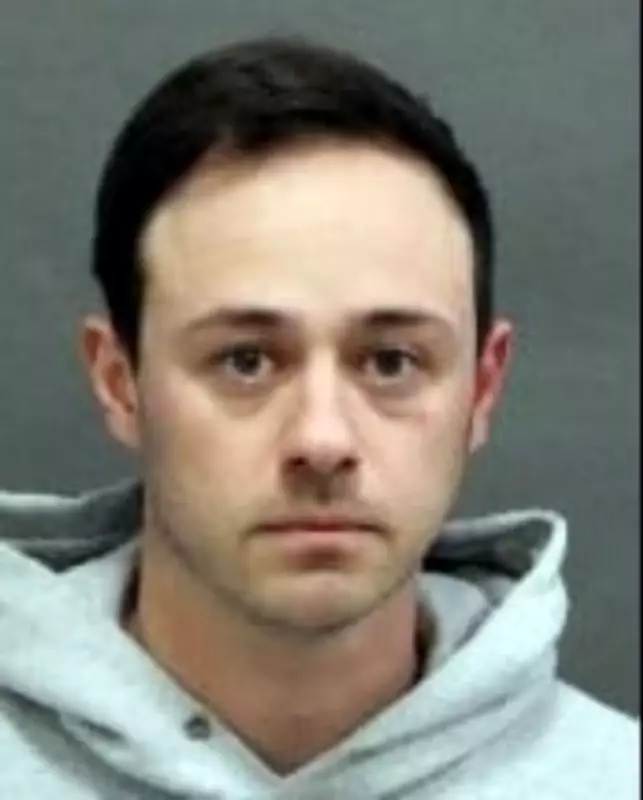
In a significant development in Toronto's real estate fraud landscape, a 29-year-old local man has been arrested and charged with multiple criminal offenses related to the fraudulent acquisition of two condo rentals. Lucas Jenkins, a resident of Toronto, is facing serious allegations after police uncovered a sophisticated scheme involving forged documents and substantial financial deception.
Multiple Charges Filed in Connection with Fraud Investigation
According to official police statements, Jenkins has been formally charged with two counts of fraud exceeding $5,000, along with four separate counts of uttering forged documents. These charges stem from a comprehensive fraud investigation conducted by Toronto Police Service units specializing in financial crimes and property-related offenses.
The investigation revealed that Jenkins allegedly used falsified documentation to secure rental agreements for two separate condominium units within the city. Police have not disclosed the specific locations of these properties or the exact methods used to create the forged documents, but they emphasize that the scheme was elaborate and involved significant planning.

Growing Concern Over Rental Fraud in Urban Centers
This case highlights the increasing prevalence of rental fraud in major Canadian cities like Toronto, where competitive housing markets create opportunities for sophisticated scams. Real estate experts note that fraudulent rental applications have become more common as housing shortages drive up demand and rental prices.
"The complexity of this particular case demonstrates how fraudsters are adapting their methods to exploit vulnerabilities in the rental system," explained a financial crimes investigator familiar with similar cases. "Forged documents can appear remarkably authentic, making it challenging for property managers to detect fraud during the application process."
Police are urging property owners and rental agencies to implement more rigorous verification procedures, including cross-referencing identification documents with official databases and conducting thorough background checks on prospective tenants.
Legal Proceedings and Potential Consequences
Jenkins is scheduled to appear in court to face the charges against him. If convicted, the penalties for fraud over $5,000 can include substantial fines and potential imprisonment, reflecting the serious nature of the offenses. The uttering forged document charges carry additional legal consequences that could compound the severity of any sentence imposed.
Legal experts specializing in fraud cases note that such charges typically involve:
- Comprehensive financial investigations to trace illicit gains
- Forensic analysis of documents to establish forgery
- Interviews with victims and witnesses to reconstruct the fraudulent activities
- Coordination between multiple law enforcement agencies when necessary
The Toronto Police Service has indicated that their investigation remains ongoing, and additional charges or revelations may emerge as they continue to examine the evidence collected.
Broader Implications for Toronto's Rental Market
This incident has sparked renewed discussions about security measures within Toronto's rental industry. Property management associations are calling for standardized verification protocols that would make it more difficult for fraudulent applications to succeed.
"While most rental transactions proceed honestly, cases like this remind us that vigilance is essential," commented a representative from a Toronto property management firm. "Implementing multi-factor verification systems and requiring additional documentation can help protect both property owners and legitimate tenants from fraudulent activities."
As the legal process unfolds, this case serves as a cautionary tale about the sophisticated methods employed by fraudsters in competitive urban housing markets and the importance of robust verification systems to prevent similar schemes in the future.