Toronto Councillor's Push for City-Run Grocery Stores Faces Criticism
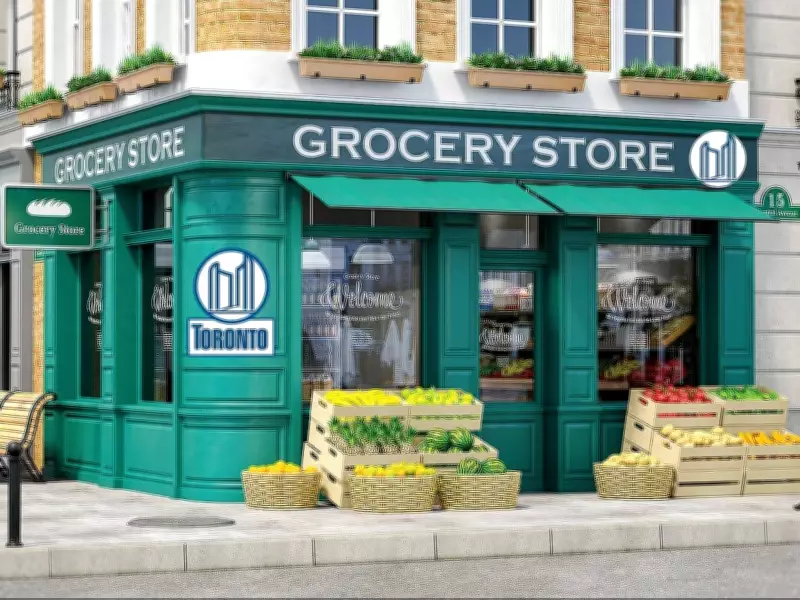
In a bold move to address rising food costs, Toronto Councillor Anthony Perruzza is advocating for the municipal government to operate grocery stores across the city. This proposal, inspired by similar initiatives in New York City under socialist Mayor Zohran Mamdani, aims to lower prices for residents by establishing at least four non-profit stores. However, the idea has sparked significant debate, with opponents labeling it a step towards socialism and questioning the city's ability to manage such ventures effectively.
Perruzza's Vision for Affordable Food
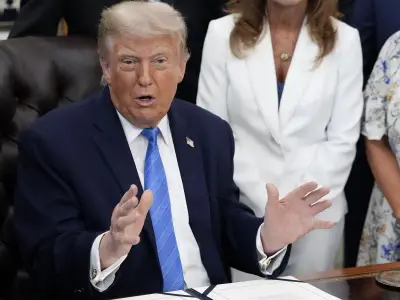
Councillor Anthony Perruzza, a former Ontario NDP MPP, argues that food affordability is a critical issue for Torontonians. In a recent interview with City News, he emphasized that if the city can reduce grocery prices, everyone would benefit. He envisions these stores operating like businesses but on a non-profit basis, with investments potentially recovered through business models. Perruzza has submitted a motion for City Council consideration next week, seeking support from fellow councillors.
Critics Highlight City's Poor Management Record
Critics, including columnist Brian Lilley, point to the city's dismal performance in running operations typically handled by the private sector. A prime example is the Toronto Community Housing Corporation (TCHC), which manages over 1,300 aging buildings with a repair backlog of $8.42 billion. Many units are in poor condition, leading some to label the city as a slum lord. This track record raises doubts about its capability to successfully operate grocery stores.

Economic Realities of Grocery Retail
Professor Sylvain Charlebois, an expert in Canada's food system, notes that grocery retail operates on razor-thin profit margins of 2-4%, making it a challenging industry. He cautions that state intervention, such as city-run stores, could add complexity rather than solutions. Additionally, while food inflation is a genuine concern, profits from major grocers like Loblaw's often come from non-food items like clothing and cosmetics, not just staple goods.
Political Context and Subsidy Concerns
With an election year underway, Mayor Olivia Chow and socialist-leaning councillors might support this left-wing populist idea. Perruzza suggests waiving property taxes and development charges for these stores, potentially requiring further subsidies for higher wages. Critics argue this approach ignores broader economic factors and could lead to inefficient use of public funds without addressing the root causes of food inflation.
Conclusion: A Flawed Solution to Food Inflation
While food affordability remains a pressing issue in Canada, experts and opponents contend that city-run grocery stores are not the answer. Instead, they advocate for government actions at all levels to tackle underlying economic challenges without resorting to increased state intervention that may exacerbate inefficiencies.