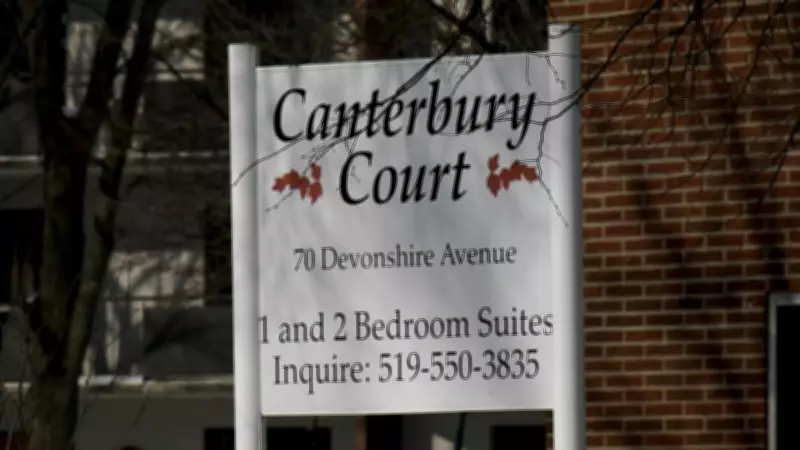
Tillsonburg Apartment Dwellers Report Being Renovicted by New Owners
Residents of Canterbury Court, a multi-unit apartment building located at 70 Devonshire Avenue in Tillsonburg, Ontario, are expressing distress and frustration after receiving eviction notices from the property's new owners. The notices, which cite planned renovations as the reason for termination of tenancies, have left many tenants feeling displaced and uncertain about their housing futures. This situation highlights the growing issue of renoviction across Ontario, where landlords use renovation projects as a pretext to remove existing tenants, often to re-rent units at higher market rates.
Tenant Reactions and Legal Concerns
One resident, who wished to remain anonymous, shared their experience with the abrupt notice, stating, 'Good luck, and don't let the door hit your behind' was the sentiment they felt from the new ownership. This comment underscores the perceived lack of empathy in the process. Under Ontario's Residential Tenancies Act, landlords can evict tenants for renovations, but they must provide proper notice, typically 120 days, and offer the right to return at a similar rent after repairs are completed. However, tenants often report that these rights are not upheld, leading to legal battles and housing instability.
The building, Canterbury Court, has been home to many long-term residents, including families and seniors, who now face the challenge of finding affordable housing in a tight rental market. Tillsonburg, like many communities in southwestern Ontario, has seen rising housing costs, making it difficult for displaced tenants to secure comparable accommodations. This renoviction case raises questions about the enforcement of tenant protections and the impact of property ownership changes on vulnerable populations.

Broader Implications for Housing Policy
This incident in Tillsonburg is not isolated; it reflects a broader trend in Canada where renovictions are becoming more common, particularly in urban and suburban areas experiencing rapid development. Housing advocates argue that stronger regulations are needed to prevent abuse of renovation clauses, ensuring that tenants are not unfairly displaced. They call for increased oversight by provincial authorities and better support for tenants navigating the legal system.
As the situation unfolds, residents of Canterbury Court are seeking legal advice and community support to challenge the evictions. Their case serves as a reminder of the ongoing housing crisis in Ontario, where affordable rental units are scarce, and tenant rights are often tested. It emphasizes the need for proactive measures to protect renters and maintain stable communities in the face of economic pressures and property speculation.