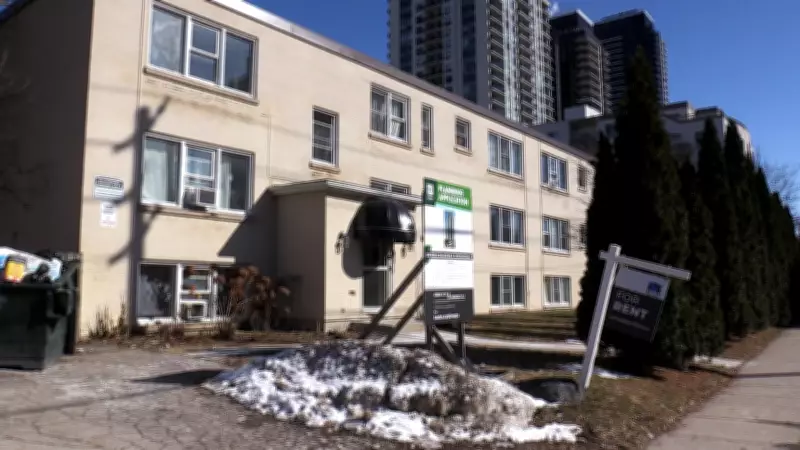
London Tenants Dismiss York Developments' Compensation Offer, Oppose 30-Story Building Plan
In a significant development for London's urban landscape, tenants at 550 Ridout Street North have firmly rejected an offer from York Developments to either relocate or accept a $10,000 compensation package. This rejection comes as the company seeks support for a controversial proposal to construct a 30-story residential tower at the site, highlighting growing tensions between developers and residents in the city's housing market.
Compensation Offer Deemed Insufficient by Residents
The compensation proposal, which included the option for tenants to move to alternative accommodations or receive a financial payout, was met with strong opposition from local residents. According to sources, many tenants argue that the offer fails to adequately address the disruption and potential long-term impacts of such a large-scale development. "The $10,000 is not enough to cover the costs and stress of moving, especially in today's competitive rental market," said one tenant, who wished to remain anonymous. This sentiment reflects broader concerns about affordability and displacement in London's rapidly evolving neighborhoods.
Details of the Proposed Development
York Developments' plan for the 30-story tower at 550 Ridout Street North aims to add substantial residential capacity to the area, though specific details on unit numbers and amenities have not been fully disclosed. The proposal is part of a trend toward high-density housing in London, driven by population growth and urban intensification goals. However, critics point to potential issues such as increased traffic, strain on local infrastructure, and loss of community character. The building, currently a multi-unit apartment complex, would be replaced by the new tower if approved, raising questions about the fate of existing tenants and the overall impact on the neighborhood's fabric.

Broader Implications for London's Housing Policy
This standoff underscores larger debates in London regarding development practices and tenant rights. As cities across Canada grapple with housing shortages and rising costs, the balance between new construction and resident protection becomes increasingly critical. Experts suggest that more transparent negotiations and enhanced compensation frameworks may be necessary to foster community support for such projects. "Developers need to engage with tenants early and offer meaningful solutions that go beyond token payments," noted a local housing advocate. The outcome of this case could set a precedent for future developments in London and beyond, influencing how similar disputes are resolved in other urban centers.
Next Steps and Community Response
With tenant opposition solidifying, York Developments faces an uphill battle to gain approval for the 30-story proposal. The company may need to revisit its compensation strategy or adjust the development plan to address community concerns. Public consultations and city council reviews are expected in the coming months, where residents will have further opportunities to voice their opinions. Meanwhile, advocacy groups are mobilizing to support tenants, calling for stronger protections and fairer deals in redevelopment scenarios. As this story unfolds, it serves as a reminder of the complex interplay between progress and preservation in modern city planning.