Historic Return: Sen̓áḵw Towers to Open After 113-Year Absence
In a powerful reversal of history, the Squamish Nation is preparing to welcome members back to Sen̓áḵw Indian Reserve No. 6, exactly 113 years after their forced removal from the site. The first three towers of the ambitious Sen̓áḵw development are nearing completion, standing as both architectural landmarks and symbols of Indigenous resilience.
A Painful History Remembered
The year 1913 marked a dark chapter for the Squamish people. Indian agents arrived at Sen̓áḵw, ordered residents onto barges, towed them out to sea, and set them adrift to watch as their village was deliberately burned to the ground. This act of displacement severed the community's physical connection to their ancestral lands for over a century.
"We want to ensure we tell our story in a Squamish way," explained Brandi Halls, executive vice-president of marketing and a Squamish Nation member. "Our outreach is leaning into the story of who we are as a people, and our history."

Unprecedented Indigenous-Led Development
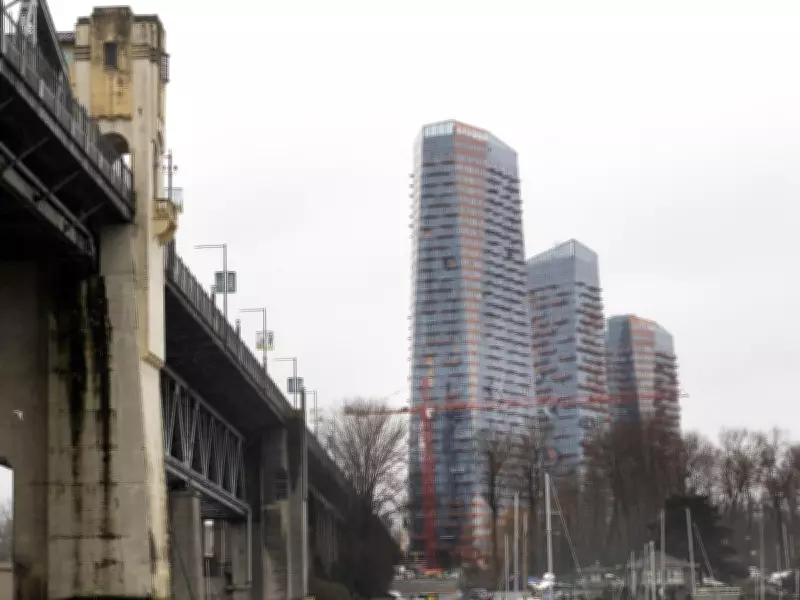
Now rising beside Vancouver's Burrard Bridge, the Sen̓áḵw development represents one of the most significant Indigenous-led urban projects in Canadian history. The first three towers are just the beginning of an eleven-building complex that will eventually provide 6,000 rental units on Squamish territory.
The architecture deliberately contrasts with its surroundings. Where the Burrard Bridge features concrete, squared-off art deco aesthetics, the Sen̓áḵw towers present exuberant Coast Salish design elements—curved, geometric, and colorful forms that reflect Indigenous artistic traditions.
Overwhelming Demand and Clarifications
Public interest has been extraordinary, with the development receiving approximately 350 registration applications daily. "It's unprecedented in the industry," Halls noted about the response.
Despite some community concerns and persistent rumors, Halls clarified several key points:
- All tenants at Sen̓áḵw will be protected by British Columbia's Residency Tenancy Act
- The units cannot be used for Airbnb or similar short-term rentals
- Contrary to rumors, all units will include closets
- The development is not a secret strata scheme
Legal Journey to Restoration
The path to this moment involved significant legal battles. The opening of rental applications comes 23 years after 4.7 hectares of the Kitsilano reserve were returned to the Squamish Nation following a landmark court decision. Nearly three years ago, the B.C. Supreme Court dismissed a legal challenge from the Kits Point residents' association, clearing the final obstacle.
As construction workers continue their daily work behind hoarding, the three amber towers now reflect sunlight, creating what some describe as a perpetual golden hour effect. The development represents not just housing, but the restoration of community, culture, and connection to place after more than a century of absence.